Lease vs Buy a Car: Choose What Fits Your Life
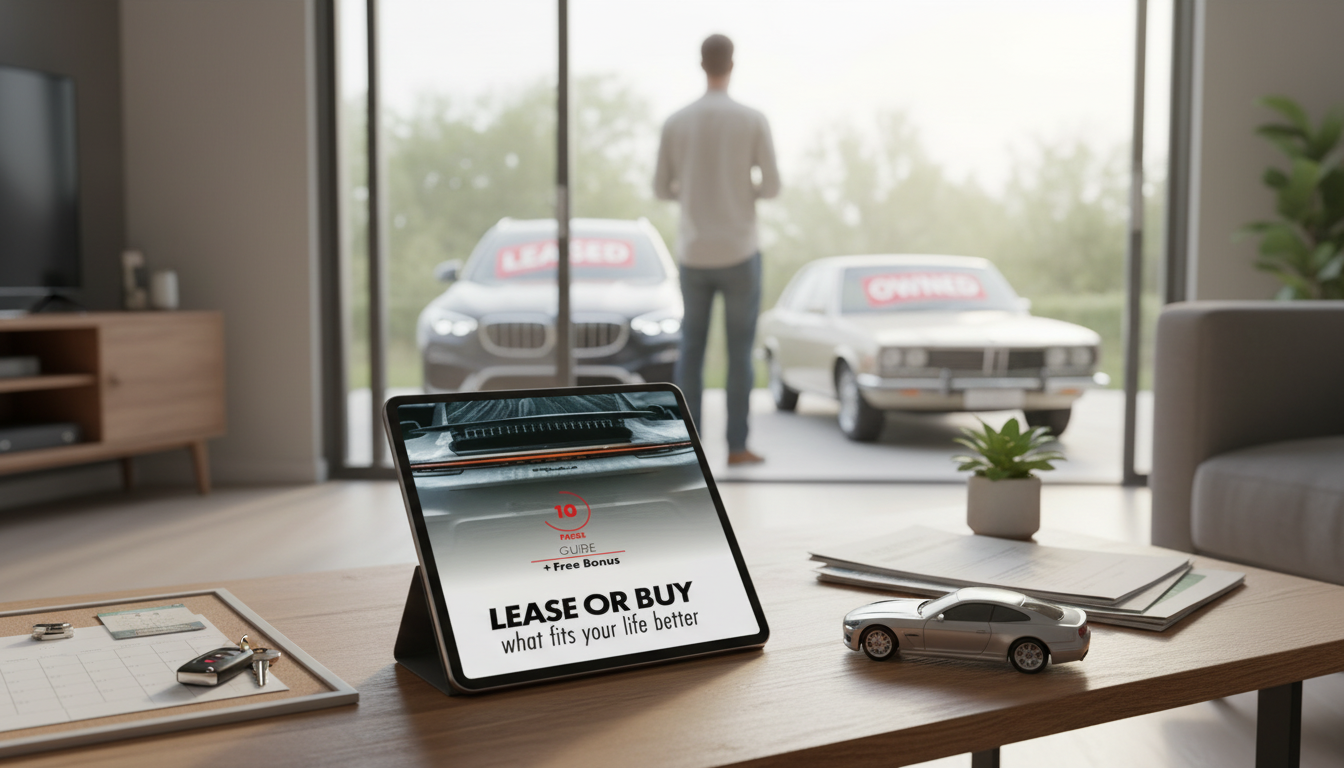
Lease or Buy: What Fits Your Life Better
Choosing between leasing and buying a car is less about “which is cheaper” and more about matching monthly cash flow, driving habits, and how long a vehicle is likely to be kept. The right choice is the one that still feels comfortable after the honeymoon phase—when life changes, miles add up, and the market shifts. Use the guide below to compare real-world tradeoffs, avoid common cost traps, and pick a path that fits your day-to-day routine.
Start With Your Lifestyle: The 5 Inputs That Matter Most
Before comparing offers, get clear on five personal inputs. They determine whether a lease will feel easy—or restrictive—and whether buying will feel empowering—or financially heavy.
- How many miles are driven per year: Add up commuting, school drop-offs, road trips, and any rideshare/delivery work. Also consider what may change in the next 24–36 months (new job, move, hybrid work).
- How often a vehicle is replaced: If getting a new car every few years is part of the plan, leasing can align. If the goal is 7–10 years, ownership usually wins.
- Budget style: Some households prefer stable, predictable payments; others can handle more variability later as maintenance rises.
- Cash on hand: A larger down payment can reduce borrowing costs, but keeping savings liquid might matter more for emergencies or near-term goals.
- Risk tolerance: Buying exposes you to resale value swings; leasing exposes you to contract rules, wear standards, and potential early-exit costs.
Leasing: When It Fits and Where It Bites
Leasing can feel like a “subscription” to a newer vehicle—especially appealing when reliability and warranty coverage are priorities.
- Best fit: Predictable payments, newer safety/infotainment tech, and a clear plan to switch cars every 2–4 years.
- Typical constraints: Mileage limits, wear-and-tear charges, and early termination costs that can be steep if plans change.
- Cost drivers to watch: The money factor (the lease’s interest equivalent), residual value assumptions, plus acquisition and disposition fees.
- Insurance may run higher: Lessors often require stronger coverage, and replacement-cost expectations can lift premiums.
- Good leasing habits: Negotiate the vehicle price first, compare money factor across lenders, and choose mileage that matches reality—not optimism.
If you want a deeper overview of the decision points and the language you’ll see at the dealership, the downloadable guide Lease or Buy, What Fits Your Life Better – A Smart Guide to Car Ownership Decisions walks through the same tradeoffs in a quick, reference-friendly format.
Buying: When Ownership Pays Off
Buying favors drivers who want control: drive as much as you want, keep the car as long as it’s useful, and sell or trade whenever it makes sense.
For loan basics—APR, term length, and how to compare offers—see the Consumer Financial Protection Bureau’s guidance on auto loans.
Side-by-Side: The Practical Differences That Affect Daily Life
| Factor | Leasing Tends to Favor | Buying Tends to Favor |
|---|---|---|
| Monthly payment | Often lower for a similar vehicle | Can be higher, especially for shorter loans |
| Upfront costs | May include fees and first payment; low down possible | Down payment optional, but taxes/fees apply |
| Mileage | Drivers with predictable, moderate mileage | High-mileage or unpredictable driving |
| Maintenance & repairs | More likely under warranty during term | Owner responsibility increases over time |
| End-of-term options | Return, buy out, or start a new lease | Keep, sell, or trade anytime |
| Best time horizon | 2–4 years | 5–10+ years |
Run the Numbers the Smart Way (Without Getting Lost in Math)
For a plain-language overview of lease terminology, disclosures, and common fees, the Federal Trade Commission’s page on leasing a car is a solid baseline.
Decision Shortcuts: Which Choice Matches Common Scenarios
- Frequent relocations or uncertain job location: Leasing can reduce long-term commitment, but confirm early termination options before signing.
- Growing family or changing needs: Buying a flexible, slightly larger vehicle can prevent switching costs two years later.
- Long commute or road-trip lifestyle: Buying often wins due to mileage freedom and fewer end-of-term fees.
- Business use: Track miles and consult a tax professional; recordkeeping can influence the best path. The IRS publishes standard mileage rates that are commonly referenced for deductions.
- Credit-building phase: A well-structured auto loan may help build credit history; leasing approvals can be stricter and less forgiving with thin credit files.
Common Mistakes to Avoid Before Signing Anything
Related Picks
- Lease or Buy, What Fits Your Life Better – A Smart Guide to Car Ownership Decisions
- AI-Powered Pet Care Comparisons | Smart Checklist for Smarter Choices | ai compares pet care options
FAQ
Is leasing always cheaper than buying?
Leasing can be cheaper month-to-month for a similar vehicle, but it may cost more over many years if you keep renewing leases and paying recurring fees. Buying can become less expensive long-term once the loan is paid off and you’re no longer making monthly payments.
How many miles can be driven on a lease without penalties?
Many leases are written for about 10,000–15,000 miles per year, but the exact limit is in the contract. If you exceed it, you’ll typically pay a per-mile overage charge, so it helps to estimate mileage from past driving patterns before committing.
Should a lease be bought out at the end?
It can make sense when the buyout price is lower than the vehicle’s current market value and the car is in good condition. Compare the buyout number to similar used-car prices and consider whether your needs have changed before deciding to finance the buyout or walk away.















Leave a comment