Quiet 2-Speed Cold Press Masticating Juicer Guide
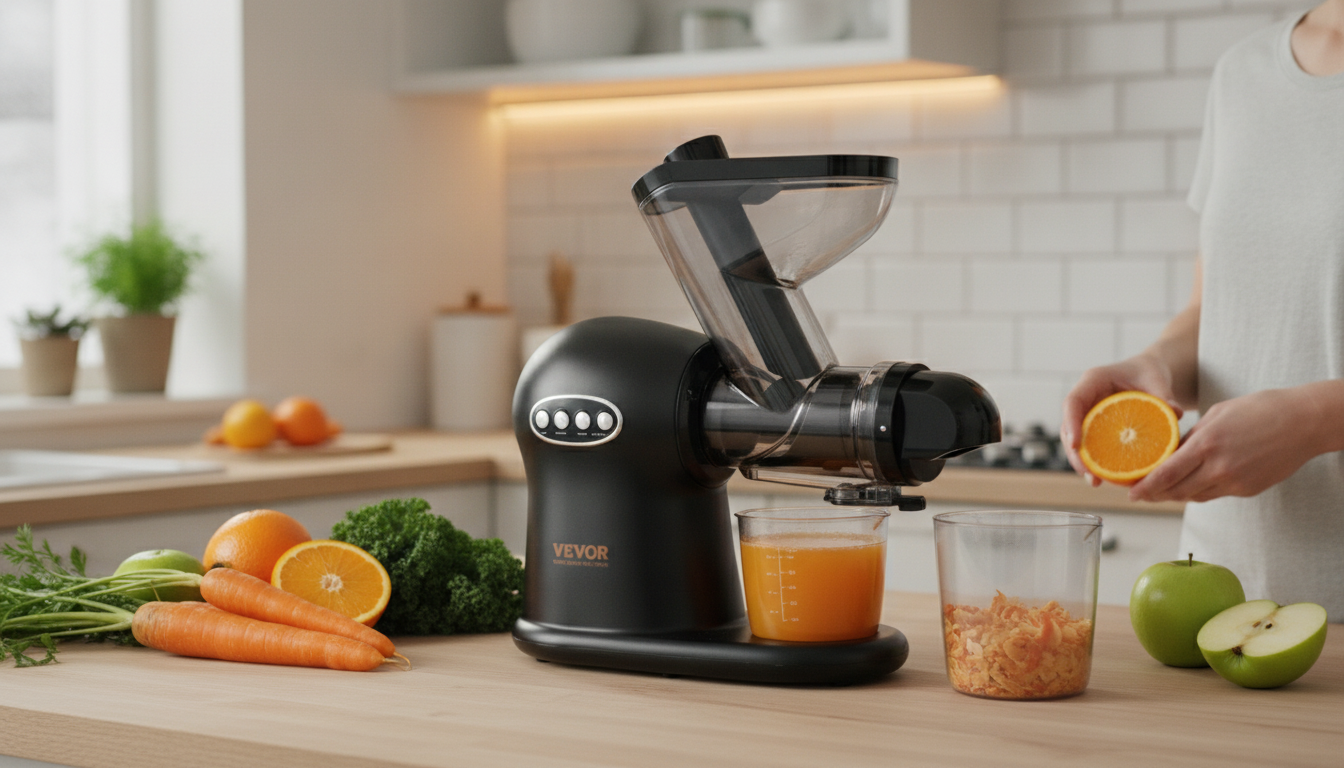
Cold Press Slow Juicer Machine – 2-Speed Masticating Juicer with Quiet Motor
A slow, cold-press juicer is built for smoother juice, less foam, and a calmer kitchen routine. With two speed options and a quiet-running motor, this style of masticating juicer works well for everyday produce—leafy greens, firm fruits, and hydrated vegetables—while aiming to preserve flavor and reduce heat during extraction. If a less splashy countertop and more consistent texture matter, a two-speed cold press design is a practical step up from many fast-spinning alternatives. For more guidance, see Juicing Apples for Cider.
What a cold-press masticating juicer does differently
Instead of using high-speed spinning to separate juice from pulp, a masticating juicer relies on a slow-turning auger that crushes and presses ingredients. That mechanical difference changes the experience and the results.
- Uses a slow auger to crush and press ingredients instead of spinning blades, which can reduce froth and splatter.
- Typically produces a thicker, more uniform juice with clearer separation (depending on produce and straining preference).
- Lower operating speed can mean less heat buildup during juicing compared with high-speed centrifugal designs.
- Commonly handles leafy greens better than many high-speed units when fed at a steady pace.
For anyone who likes green juice, celery blends, or apple-cucumber combinations, the slow-press approach often feels more controlled: fewer bursts of foam, less vibration, and a steadier output stream.
Two speeds and when to use each
Two-speed control is less about “fast vs. slow” and more about matching torque and flow to what’s in the chute. The right setting can reduce clogs, keep pulp moving, and help maintain a smoother pour.
- Low speed: better for soft or water-rich items (citrus segments, ripe berries, cucumbers) to help control pulp and reduce foaming.
- High speed: useful for firmer produce (carrots, apples, beets) when a stronger push is needed to keep the feed moving.
- Mixing produce: alternate soft and firm ingredients to help the auger self-clear and improve consistency.
- If the machine strains: pause and reverse (if available) or reduce feed size to prevent jams.
Speed guide for common ingredients
| Ingredient | Recommended speed | Prep tip | Notes |
|---|---|---|---|
| Leafy greens (kale, spinach) | Low | Roll into tight bundles | Feed slowly; alternate with firm pieces |
| Celery | Low | Cut into short lengths | Stringy fibers process better with steady pressure |
| Carrots | High | Cut to fit the chute | Hard produce may juice faster on high |
| Apples/pears | High | Remove hard seeds; slice | Firm fruit supports better throughput |
| Cucumber | Low | Leave peel if desired; cut | High water content can foam if rushed |
| Citrus (peeled) | Low | Remove peel and thick pith | Pith can add bitterness |
Quiet motor advantages for daily routines
Noise is a real barrier to consistency. A juicer that feels disruptive often ends up stored away. A quiet-running motor can make a slow juicer more usable day to day—especially for early mornings or shared living spaces.
- Lower perceived noise can make early-morning juicing more practical in apartments and shared spaces.
- A steady, quiet-running motor often pairs well with slow feeding for more consistent pulp ejection.
- Reduced vibration can help keep the unit stable on the counter, especially on smooth surfaces.
- For best results, keep the machine on a flat surface and avoid forcing oversized chunks.
A simple habit that helps: prep produce into consistent sizes, then feed gradually instead of stuffing the chute. That keeps the motor load even and reduces the “surge” that can lead to wetter pulp.
Flavor, texture, and yield: what to expect
Cold press juicing is often chosen for mouthfeel as much as for convenience. Many people notice a smoother texture right away—particularly with apples, cucumbers, and citrus—because slower extraction can reduce foam and incorporate less air.
- Slow extraction can produce juice with less foam and a smoother mouthfeel, especially with apples, cucumbers, and citrus.
- Yield varies by produce freshness, fiber content, and prep; firmer, crisp produce usually yields more liquid.
- Pulp dryness is a practical indicator—wetter pulp often means feeding too fast, dull components, or produce that is overripe.
- For a clearer juice, strain through a fine mesh; for a fuller texture, drink as-is.
If the goal is a bright, clean juice for sipping, straining can help. If the goal is a more filling drink, leaving some fine pulp in the glass often tastes richer and feels more substantial.
Setup, cleaning, and everyday maintenance
Slow juicers are easiest to live with when cleanup is treated like a quick reset instead of a big project. The main trick is timing: rinse before pulp dries.
Safety and smart juicing habits
For up-to-date guidance on handling fresh fruits and vegetables, consult the FDA and CDC. For a balanced overview of juicing in a broader eating pattern, see Harvard’s Nutrition Source on juicing.
Who this juicer style fits best
Product snapshot
Shop in-stock picks
- Cold Press Slow Juicer Machine – 2-Speed Masticating Juicer with Quiet Motor
- Luxury Iridescent Shell Placemats – Handmade Nordic Round Decorative Tray
FAQ
What is the benefit of a two-speed slow juicer?
Low speed tends to work best for soft or water-rich produce to help reduce foam and keep pulp controlled, while high speed can improve throughput for firm items like carrots and apples. Matching the speed to the ingredient and feeding at a steady pace helps minimize strain and jams.
Can a masticating juicer handle leafy greens and celery?
Yes, this juicer style is commonly used for leafy greens and celery. Roll greens into tight bundles, cut celery into shorter lengths, and feed slowly—alternating with firmer pieces can help the auger keep moving and reduce clogging.
How should fresh juice be stored after juicing?
Refrigerate it promptly in a clean, sealed container and keep it cold until serving. For higher-risk groups, follow official food-safety guidance and avoid leaving fresh juice at room temperature.













Leave a comment