Indoor/Outdoor Training Net: Home, Gym & Backyard Drills
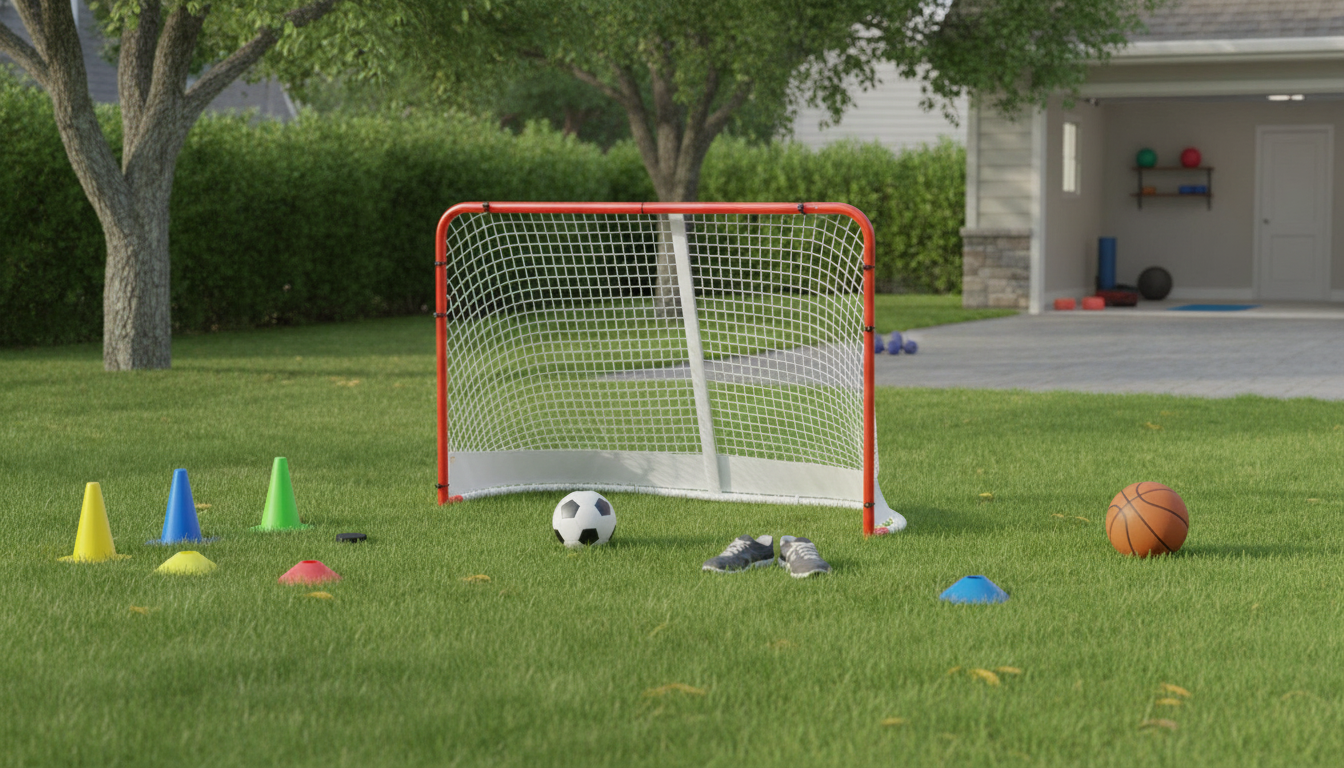
Indoor & Outdoor Training Net for Daily Skill Work at Home, Gym, or Backyard
A versatile training net makes it easier to practice consistent reps without needing a full field or a training partner. Set one up in a garage, basement, driveway, or backyard to work on accuracy, control, and reaction time while keeping balls contained and cleanup fast. A well-built net should feel stable on contact, assemble quickly enough that it actually gets used, and stay durable through repeated impact across different training styles.
What a training net adds to everyday practice
A dedicated net turns “a few reps” into a repeatable training station. Instead of improvising with walls, fences, or makeshift backstops, a net provides a consistent target and a predictable return so practice stays efficient.
- Creates a repeatable practice station for solo sessions when space or partners are limited.
- Helps protect walls, windows, and nearby equipment by stopping or slowing down balls.
- Supports high-rep drills that build consistency: accuracy, touch, timing, and follow-through.
- Reduces time spent chasing balls so sessions stay focused and efficient.
- Works across multiple sports and general athletic drills depending on net size and strength.
For general sports safety reminders—especially when training around other people or tight spaces—review guidance from the American Academy of Pediatrics. For weekly activity targets that help structure a balanced routine, see the CDC physical activity guidelines.
Where it works best: indoor vs. outdoor setups
Indoor and outdoor setups can both work well, but each location rewards a slightly different approach. Indoors, floor grip and clearance matter most. Outdoors, wind and surface anchoring become the priority.
- Indoor spaces: garage, basement, hallway end, gym corner—prioritize floor grip and clearance behind the net.
- Outdoor spaces: lawn, patio, driveway—prioritize wind stability and surface anchoring.
- Allow a safe buffer zone behind the net for rebounds; increase distance for higher-velocity shots.
- Consider ceiling height indoors for higher arcs and overhead throws.
- Place the net so rebounds return toward the training area rather than into walkways or furniture.
Quick placement guide
| Location | Best surface | Tip for stability | Common mistake to avoid |
|---|---|---|---|
| Garage | Concrete | Add weight to the base if needed | Setting too close to shelving or vehicles |
| Basement | Mat or carpet | Use a non-slip mat under feet | Ignoring low ceiling clearance |
| Backyard | Grass | Anchor legs or use ground stakes if supported | Placing in a windy corridor |
| Driveway | Concrete/asphalt | Position away from slope; add sandbags | Rebound path pointing toward a door or window |
Key features to look for before buying
Not every net feels the same after the first hard set. The best choice is the one that matches your available space and the kind of reps you’ll repeat most often.
- Frame stability: A wider base and rigid joints reduce wobble during hard impacts.
- Net material: Thicker netting and reinforced stitching handle repeated hits longer.
- Target zone or strike area: Helps aim training and makes sessions easier to track.
- Portability: Foldable design and a carry bag support quick storage and travel.
- Assembly time: Simple, tool-light setup encourages more frequent use.
- Footprint and height: Match to available space and the speed/trajectory of the ball used.
- Weather resistance for outdoor use: Corrosion-resistant frame and UV-tolerant netting extend lifespan.
If you’ll train in multiple places (like a garage on weekdays and the backyard on weekends), prioritize a net that feels easy to move, locks securely, and doesn’t demand a perfect surface to stay upright.
Training ideas: short sessions that build skill fast
Short, focused blocks add up quickly—especially when the net keeps reps tight and resets fast. The key is to stay consistent with targets and only add power when placement stays reliable.
Sample 20-minute practice plan
| Block | Time | Drill | Goal |
|---|---|---|---|
| Warm-up | 3 min | Light reps into the center zone | Groove mechanics and rhythm |
| Accuracy | 6 min | Zone ladder (left/center/right) | Improve placement consistency |
| Speed | 5 min | Rapid-fire sets with full reset each rep | Clean technique at higher tempo |
| Variation | 4 min | Change distance/angle every 5 reps | Adapt to different looks |
| Cooldown | 2 min | Easy controlled reps | Finish with quality movement |
Setup and safety checklist
Care and storage for longer lifespan
Product pick: Indoor & Outdoor Training Net
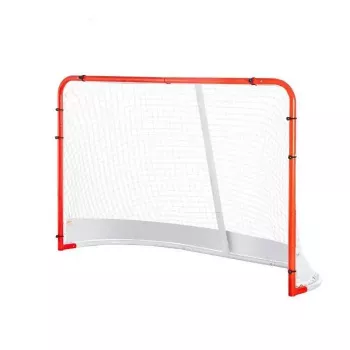
If the goal is a simple setup that works in multiple spots—home, gym corner, driveway, or backyard—an all-purpose training net is a practical foundation. The Indoor & Outdoor Training Net supports repeatable reps for accuracy and control-focused sessions, while helping keep the training area contained so you can stay in rhythm.
At-a-glance details
| Item | Details |
|---|---|
| Product | Indoor & Outdoor Training Net |
| Price | $98.01 USD |
| Availability | In stock |
Also in stock
- AI-Powered Pet Care Comparisons | Smart Checklist for Smarter Choices | ai compares pet care options
- Luxury Iridescent Shell Placemats – Handmade Nordic Round Decorative Tray
FAQ
Can a training net be used safely indoors?
Yes when there is adequate clearance, the frame is stable on the surface, and the rebound path is directed away from people and breakables; use a non-slip mat or weights if needed.
How far should the net be from the hitter or thrower?
Start closer for controlled reps, then increase distance as power increases; leave enough room for rebounds so the ball returns safely into the practice area.
How can stability be improved in windy outdoor conditions?
Position away from wind tunnels, add sandbags/weights to the base, and use ground anchors when the design supports it; reduce sail area by avoiding loose side panels if applicable.













Leave a comment