204Wh 300W Portable Solar Power Station: Fast Charging
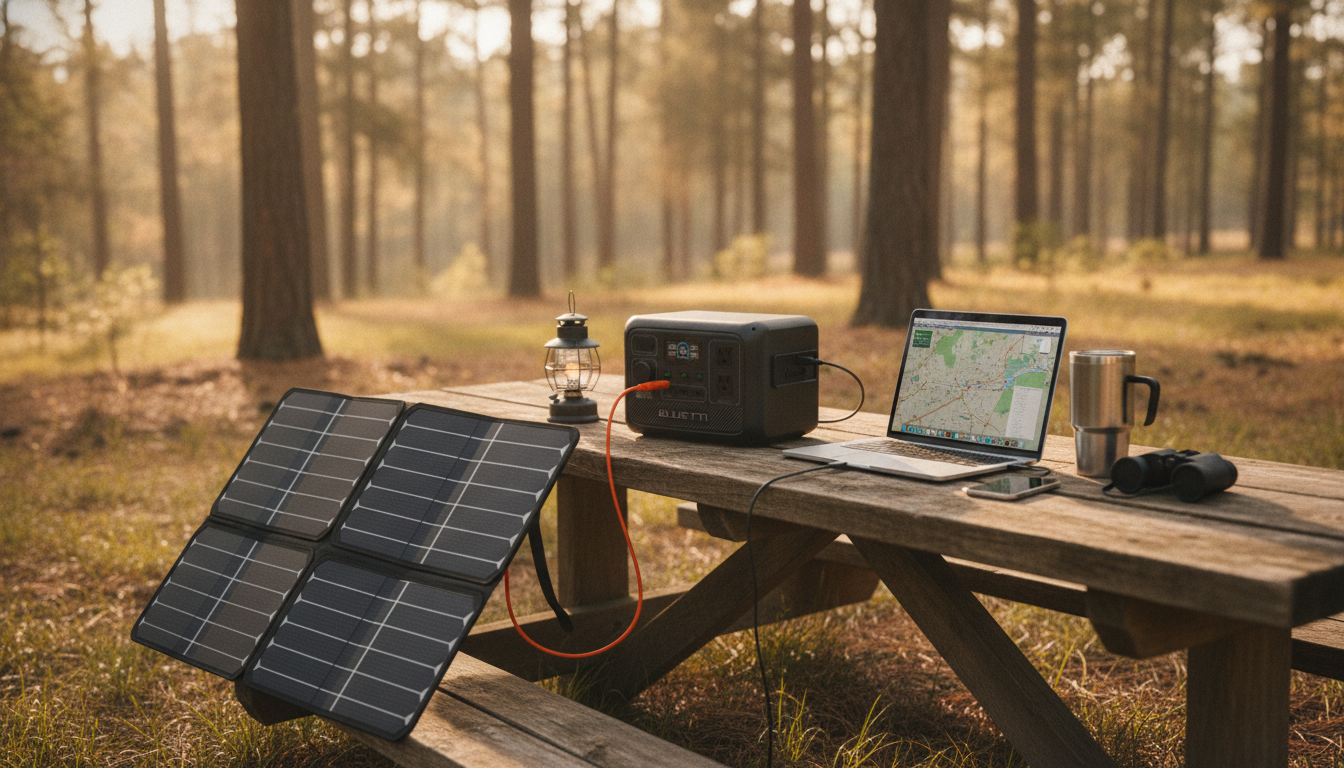
Portable 204Wh Solar Power Station with Fast Charging: 300W Power for Travel, Camping, and Backup
A compact solar power station can keep essentials running when outlets are unavailable—whether that’s charging phones at a campsite, powering a small fan during a heatwave, or keeping a router online through a short outage. This guide breaks down what a 204Wh, 300W portable unit can realistically power, how fast-charging and solar input fit into day-to-day use, and what to check before plugging in higher-demand devices. For more guidance, see Best Portable Power Stations.
What “204Wh” and “300W” Mean in Daily Use
Energy (Wh) is the size of the “fuel tank.” A 204Wh rating indicates how much stored energy is available before the station needs to be recharged. It’s a great fit for short trips, grab-and-go charging, and keeping a small set of essentials running. For further reading, see Durecopow Solar Charger Power Bank 20000mAh, ….
Power (W) is the “engine output.” A 300W rating is typically the continuous load limit for the AC inverter (if your unit offers AC) and sometimes a combined output limit across ports. Devices that draw more than 300W while running—or that need a big startup surge—may fail to start or trip overload protection.
Also plan for real-world losses. Converting battery power to AC, stepping voltages up or down, and normal heat loss all reduce usable energy. For simple planning, assume about 75–90% of rated capacity is realistically usable depending on which ports you use (USB and DC tend to be more efficient than AC).
Best fits for this size class include phones, tablets, cameras, drones, LED lights, small fans, modest laptops, and some small DC appliances depending on the available ports.
What It Can Power: Practical Runtime Expectations
A quick way to estimate runtime is:
Runtime (hours) ≈ Usable watt-hours ÷ Device watts
For AC devices, assume additional conversion loss. A 204Wh station might deliver roughly 150–185Wh of usable energy depending on the load and output type. Lower-watt devices can run for hours, while higher-watt appliances may run briefly—or not at all if they exceed the 300W ceiling.
Heat-producing appliances (kettles, hair dryers, hot plates, space heaters) commonly draw 800–1500W, which is far beyond what a compact 300W station is designed to handle. For motor- or compressor-based gear (mini fridges, pumps), check both running watts and starting surge; the surge can be 2–7x higher than steady draw.
| Device | Typical draw (W) | Estimated runtime (hours) |
|---|---|---|
| Smartphone charging | 10 | 15–18 |
| Wi‑Fi router | 12 | 12–15 |
| LED camp light | 5 | 30–36 |
| Laptop (USB‑C/AC) | 60 | 2.5–3.0 |
| Small fan | 25 | 6–7 |
| CPAP (no heated humidifier) | 40 | 3.5–4.5 |
Fast Charging: Where It Helps Most
Fast charging matters most when you’re topping up the devices you touch constantly: phones, tablets, handheld gaming devices, camera batteries, and newer laptops that accept higher-wattage USB‑C charging. With a power station that supports fast charging, you can spend less time waiting and more time using your gear—especially useful when daylight, trail time, or travel schedules are tight.
Fast recharge is also valuable for “pit-stop” scenarios. On a road trip, for example, you can recharge the station between stops and then use it to fast-charge devices when you’re parked, at a picnic spot, or at a campsite without hookups.
When charging multiple devices, prioritize efficient outputs when possible. Using USB‑C PD or DC outputs (if available) usually wastes less energy than running a small AC adapter from an inverter. Less conversion loss generally means longer runtime from the same 204Wh capacity.
Solar Recharging: Setting Realistic Expectations
If solar is a primary plan, confirm panel compatibility with the station’s input limits and use solid cabling to minimize losses. Tools like the NREL PVWatts Calculator can help estimate solar production in your area, while the U.S. Department of Energy’s battery storage overview is a helpful reference for understanding storage basics.
Best Use Cases: Camping, Travel, and Small Emergencies
Camping and overnights
Travel and remote work
Short home outages
Hobbies and field work
Safety and Care: Getting Reliable Performance Over Time
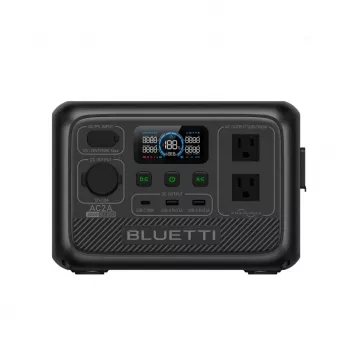
A Closer Look at the 300W 204Wh Portable Solar Power Station
Explore the in-stock option here: Portable 300W 204Wh Solar Power Station with Fast Charging.
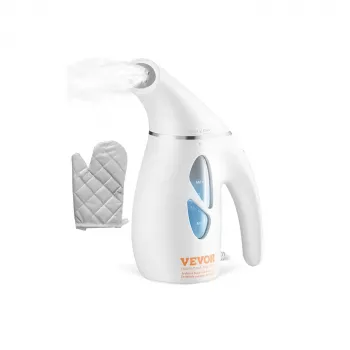
For travelers building a compact kit, pairing your power setup with a lightweight convenience item can make trips smoother. A wrinkle-free outfit without hotel ironing can be a nice bonus—see the Portable Handheld Fabric Steamer for a small travel-friendly add-on.
FAQ
Can a 204Wh power station run a mini fridge?
Some mini fridges run around 60–120W but may require a higher startup surge that can exceed a 300W limit. Even if it starts successfully, a 204Wh station typically powers a mini fridge for only a few hours depending on compressor duty cycle, ambient temperature, and how often the door is opened.
How long will it take to recharge with a solar panel?
Recharge time depends on the panel wattage, sun conditions, and the station’s solar input limits. As a rough example, a 60–100W panel in strong sun may take several hours, and real-world losses from heat, angle, and shading can extend that time.
Is it safe to leave a power station charging overnight?
Reputable units typically include charge management protections, but it’s still best to charge in a ventilated area using the correct charger and a non-flammable surface. If the unit becomes unusually hot or behaves erratically, stop charging and inspect cables and power sources.














Leave a comment