Miniature House Kits: A Relaxing, Detailed Hobby?
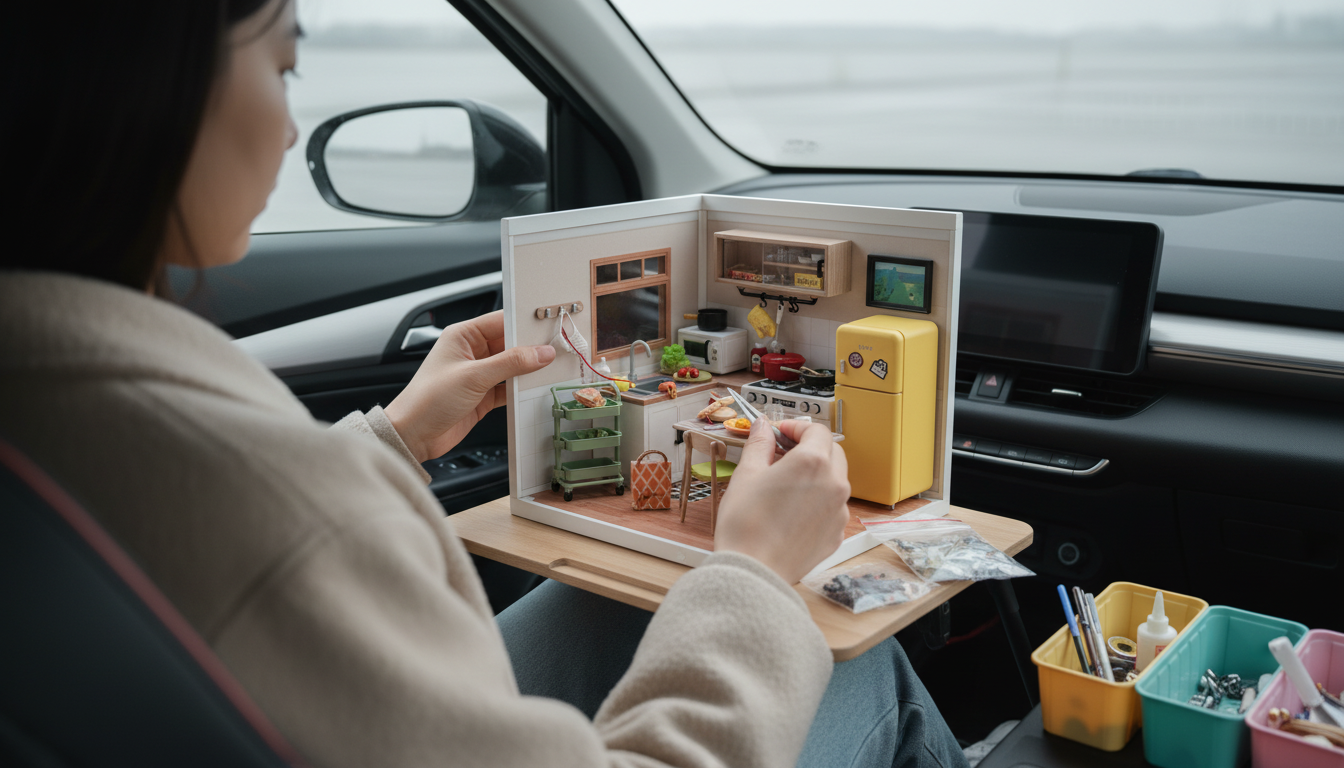
Are miniature house kits a good hobby?
Yes—miniature house kits can be a genuinely rewarding hobby if you enjoy hands-on projects, small details, and a relaxing, step-by-step build. They blend crafting with light problem-solving: you’re cutting, gluing, arranging tiny furniture, and turning a box of parts into a finished scene you can display. Many people also like that you can pause and pick up where you left off without needing a dedicated workshop.
What makes miniature kits satisfying
The biggest payoff is visible progress. Each session tends to end with something tangible—one wall finished, a set of cabinets installed, a light wired, or a tiny table placed. Miniatures also encourage creativity: even if you follow the instructions, you can personalize paint colors, add textures, or swap in small decor pieces to make the room feel unique.
Who will enjoy this hobby most
Miniature house kits are a great fit for patient builders who like detail work and don’t mind repeating small motions. If you enjoy puzzles, model-building, scrapbooking, or DIY decor, you’ll likely enjoy miniatures too. They’re also a solid choice for gifting because the project has a clear end point and a display-worthy result.
Potential downsides to know upfront
The details are tiny, which can be challenging if you have limited dexterity or dislike precision tasks. Some kits also require extra supplies—like tweezers, craft glue, a cutting mat, or fine scissors—to get clean results. Build times vary widely; a more intricate kit can take many hours spread over days or weeks.
How to get a better first experience
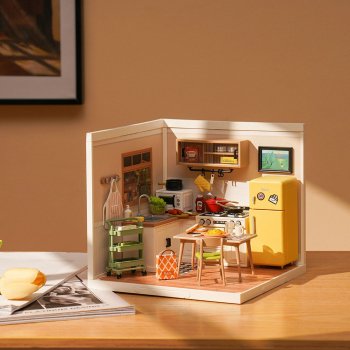
Start with a room kit or a simpler house kit rather than a massive multi-room build. Set up good lighting, keep small parts organized, and plan for drying time when gluing. For a practical walkthrough of tools, steps, and helpful tips, visit this DIY miniature kitchen kit guide.
FAQ
What tools do I need for a DIY miniature kit?
Most builders use tweezers, a precision knife, small scissors, a ruler, and a strong craft glue. A cutting mat and bright task light also make the work cleaner and less frustrating.













Leave a comment