The One Safe Place for Your Emergency Fund Money
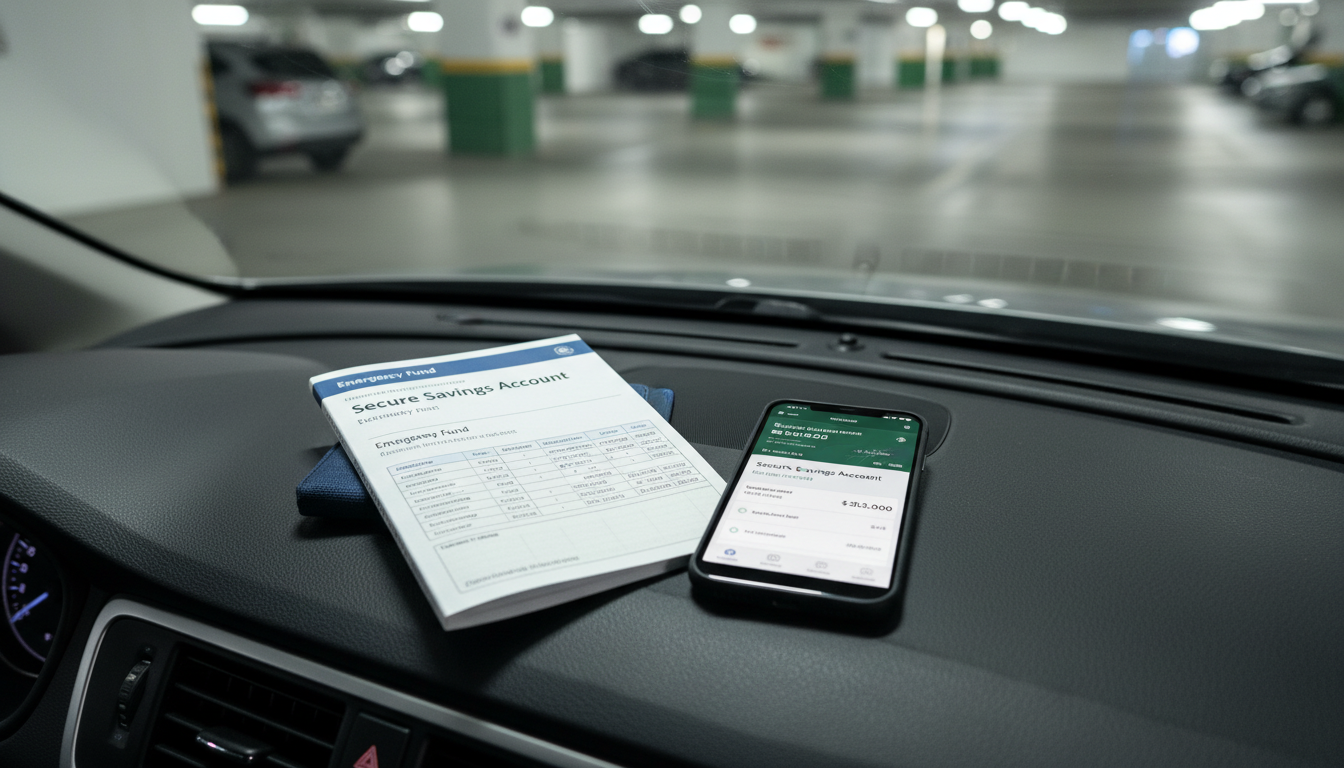
Where is the only place you should keep your emergency fund money?
The only place you should keep your emergency fund is somewhere that’s both safe and immediately accessible—typically a dedicated high-yield savings account (HYSA) at an FDIC-insured bank (or NCUA-insured credit union). That combination matters: you want your money protected from loss, easy to reach on short notice, and separate from everyday spending.
Why a high-yield savings account is the best “home”
An emergency fund isn’t meant to earn the highest possible return; it’s meant to be there when life happens. A HYSA checks the key boxes most people need:
Safety: Deposit insurance protects your balance (up to applicable limits) even if the institution fails.
Liquidity: You can transfer funds to checking quickly when a car repair, medical bill, or sudden travel expense hits.
Consistency: You’re less likely to “borrow” from your emergency fund when it lives in its own account rather than mixed into checking.
Where not to keep it (even if the returns look tempting)
Emergency money doesn’t belong in places where its value can drop or where accessing cash is slow or complicated. That includes most stocks, long-term investments, and anything with penalties or lockups. If you might have to sell at the wrong time—or wait days or weeks to get your cash—you’re taking on the exact risk an emergency fund is supposed to eliminate.
A practical setup: keep it separate, and consider tiers
Many households do best with a “tiered” approach: keep a small cushion that’s instantly available, then hold the rest in an account that still stays liquid and protected. This can reduce the urge to spend the fund while keeping it ready for true emergencies.
For a detailed, tiered breakdown (including common options and how to structure them), see the full guide here: best places to keep an emergency fund.
FAQ
How much should you keep in an emergency fund?
A common target is 3–6 months of essential expenses, but the right amount depends on income stability, household size, and how variable your bills are. Start with a smaller starter fund and build from there.
















Leave a comment