How to Choose the Best Bagless Vacuum in Consumer Reports
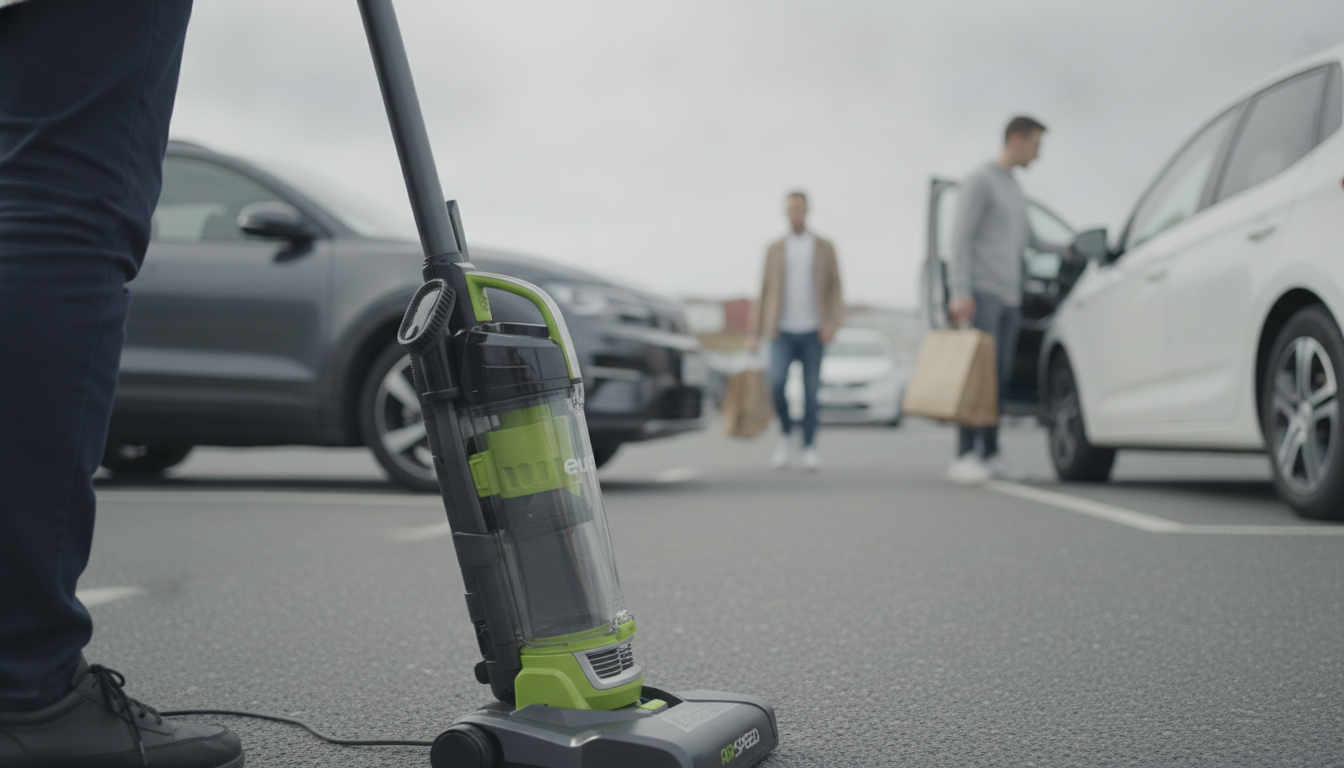
What is the best bagless vacuum cleaner consumer report?
“Best” in a consumer report usually means the vacuum that scores highest across performance tests (carpet pickup, hard-floor pickup, pet hair, filtration, noise, and reliability) while still being easy to use and maintain. For bagless models, the top-rated choices tend to share a few practical traits: strong suction that stays consistent as the bin fills, a sealed filtration path (often paired with a HEPA filter), a brush roll that can handle both carpet and hard floors, and a bin design that empties with minimal dust blowback.
Rather than chasing a single model name, it’s smarter to match the testing categories to your home. If you have mostly carpet, prioritize deep-cleaning and brush-roll agitation. If you have hard flooring, look for scatter control and an option to shut off the brush roll. For pet homes, the big differentiators are hair pickup, anti-tangle technology, and filtration that captures fine dander instead of recirculating it.
How to interpret consumer report-style ratings for bagless vacuums
High scores can hide dealbreakers. A vacuum may ace carpet pickup but be frustrating if it’s heavy, tips easily, or has a dust bin that’s messy to empty. Also, pay attention to recurring reliability notes: broken hoses, failing brush rolls, or weakening suction are common long-term complaints with poorly designed bagless units.
What features typically separate “top picks” from average bagless vacuums
Look for a sealed system, washable pre-filters (to protect the motor filter), an easy-to-clean cyclone assembly, and onboard tools that actually click in securely. If you need something easier to maneuver day-to-day, weight and steering matter as much as raw suction.
For a quick checklist of what to compare—weight, filtration, floor compatibility, bin capacity, and usability—see this guide: lightweight bagless upright vacuum buyer checklist.
FAQ
Is a lightweight bagless upright vacuum powerful enough for carpet?
Many are, especially models with a strong brush roll and good airflow design. For thick or high-pile carpet, prioritize brush-roll performance and proven deep-cleaning results over just low weight.














Leave a comment