Beginner Pitching: A Simple Template That Gets Replies
How to pitch as a beginner?
Beginner pitching works best when it’s simple, specific, and easy to say yes to. Start by choosing a narrow service (for example: “write product descriptions for outdoor brands” or “design Shopify homepage banners”) so prospects instantly understand what you do and why it matters. Then build a short list of 15–30 ideal brands where your work would genuinely help, and learn one or two real details about each (a recent launch, a weak product page, inconsistent branding, slow email flow).
Next, create a tiny portfolio you can send without hesitation: 2–3 samples are enough. If you don’t have client work yet, make “spec” samples using a real product or brand and show a clear before/after improvement (better headline, clearer benefits, tighter layout, stronger call to action).
A simple beginner pitch structure
1) Personal opener: Mention something specific you noticed.
2) One problem you can solve: Point to a concrete opportunity (not a long critique).
3) One clear offer: Propose a small, low-risk first step (a single product page, one email, one ad set).
4) Proof: Link to 1–2 relevant samples.
5) Easy CTA: Ask a binary question that’s easy to answer.
Keep it short enough to read on a phone. Avoid big promises, vague “I can help with marketing,” or asking for a call without context. Aim for one helpful idea and one focused deliverable.
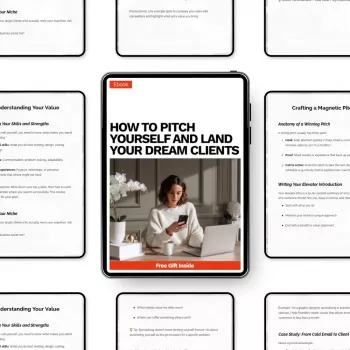
Finally, follow up once or twice with value (a quick rewrite suggestion, a mockup, or a stronger subject line), then move on. Consistent reps matter more than a perfect first message. For a deeper, step-by-step playbook with templates and examples, read this freelance pitching guide.
For Beginner Pitching: A Simple Template That Gets Replies, the best answer depends on fit, material, care instructions, and how the product will be used day to day.
FAQ
How do I pitch my services without sounding salesy?
Lead with a specific observation and a small, practical suggestion, then offer a low-commitment first project. Keep the focus on their outcome, not your credentials.













Leave a comment