Emergency Fund for 30-Year-Olds: How Much to Save
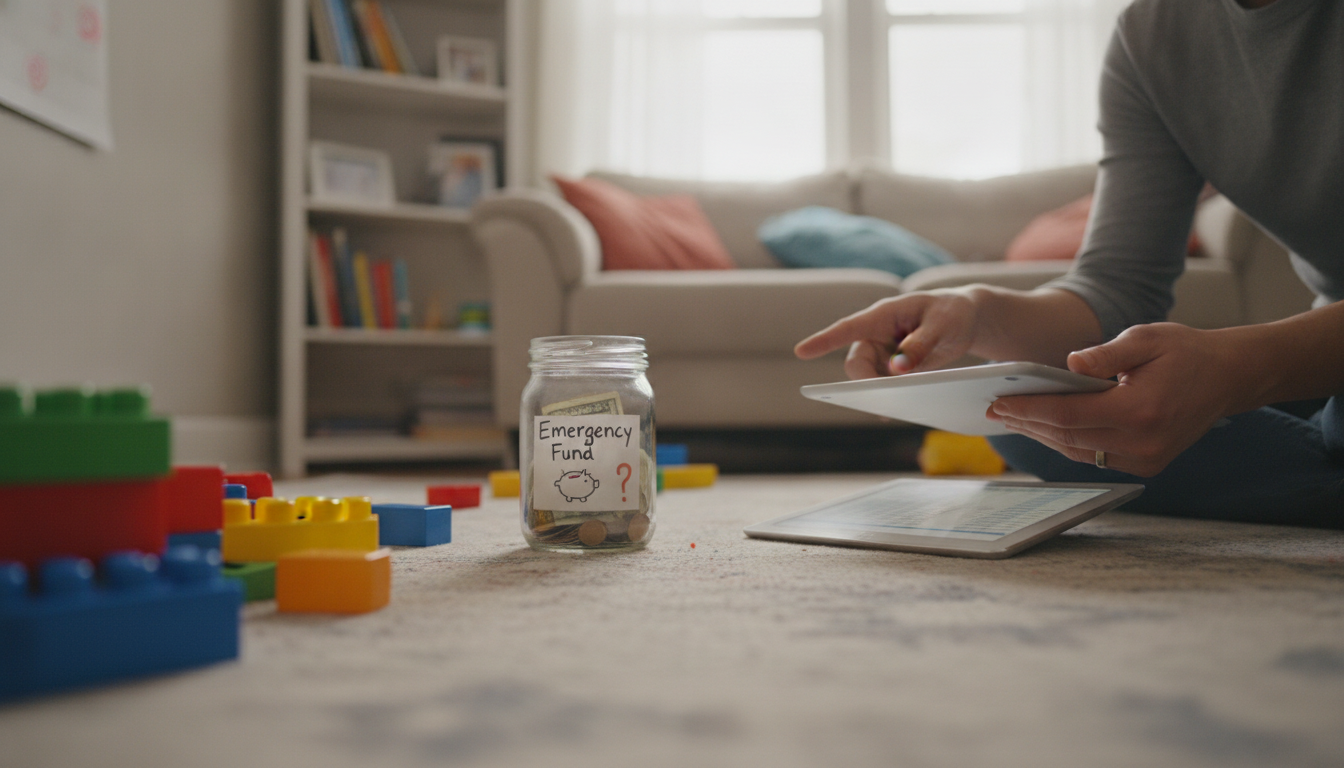
How much should a 30 year old have in an emergency fund?
A solid emergency fund for a 30-year-old is typically 3 to 6 months of essential living expenses. “Essential” means the bills that keep life running: housing, utilities, groceries, transportation, insurance, minimum debt payments, and necessary childcare. If your core monthly expenses are $3,500, that puts a practical target range at about $10,500 to $21,000.
The right number depends less on age and more on stability and responsibilities. If you’re a single-income household, have variable income (commission, freelancing, gig work), own a home, or support dependents, leaning toward 6 months (or even more) can offer meaningful protection. If you have a very stable job, low fixed costs, and strong backup options (like accessible family support or a partner’s steady income), 3 months may be a reasonable starting point while you build.
It can help to set the fund in two layers: keep a smaller “fast cash” buffer (such as $500–$2,000) in checking for surprise expenses, and keep the remainder in a high-yield savings account for emergencies that would otherwise force debt. The goal is availability and safety, not high returns.
If building the full amount feels daunting, start with one month of expenses, then grow it in consistent steps (for example, automatic transfers on payday). Treat it like an essential bill until you hit your target. For a deeper breakdown and examples, see How much should a year old have in an emergency fund?.
For Emergency Fund for 30-Year-Olds: How Much to Save, the best answer depends on fit, material, care instructions, and how the product will be used day to day.
Checking those details first helps avoid a poor match and keeps the choice practical after delivery.
FAQ
Where should I keep my emergency fund?
Keep it somewhere safe and easy to access, such as a high-yield savings account or money market account. Avoid tying it up in investments that can drop in value or take time to sell when you need cash quickly.
















Leave a comment