Valentino Quiltie 67 Lambskin Bag: Style & Care Guide
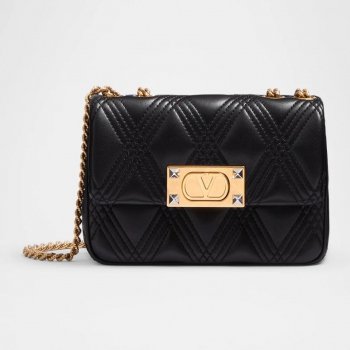
Valentino Garavani Quiltie 67 Lambskin Shoulder Bag: Details, Styling, and Care
The Valentino Garavani Quiltie 67 Lambskin Shoulder Bag pairs a softly structured silhouette with quilted lambskin and polished hardware for an elevated day-to-night staple. Below are the key features to look for, how it wears in real life, outfit pairings that highlight the quilting, and practical care habits that help lambskin stay smooth and luminous.
What Makes the Quiltie 67 Stand Out
The Quiltie 67 has that rare balance of polish and ease—refined enough for an evening reservation, but not so formal that it feels out of place with everyday denim. A few design cues do most of the heavy lifting.
- Quilted lambskin delivers a plush, dimensional look with a subtle sheen that reads luxurious without feeling loud.
- Shoulder-bag proportions keep the profile streamlined while still fitting the essentials.
- Signature hardware and logo detailing add a finished touch that works across casual, work, and event dressing.
- A structured-yet-soft build helps it hold its shape while staying comfortable against the body.
If you’re shopping the style specifically, you can view the Valentino Garavani Quiltie 67 Lambskin Shoulder Bag here.
Materials and Craft: Lambskin at a Glance
Lambskin is prized for its smooth, supple hand-feel—typically softer than calf leather—so it feels instantly “broken in,” even when new. That softness also means it can show wear sooner if it’s treated like a rugged daily beater. Quilting helps by adding structure and visual texture, which can make minor creasing less noticeable over time.
To keep the leather looking even and avoid premature shine or darkening on high-touch areas, treat lambskin more like fine footwear than an all-weather tote. Steer clear of constant rubbing against rough fabrics (think heavy denim seams, rivets, and embellished outerwear), and avoid prolonged direct sun or heat. For deeper background on caring for leather objects, the Smithsonian Museum Conservation Institute is a helpful authority.
Lambskin Care Quick Guide
| Situation | What to Do | What to Avoid |
|---|---|---|
| Light dust | Wipe gently with a clean, dry microfiber cloth | Paper towels or abrasive cloths |
| Minor smudge | Use a slightly damp soft cloth; test in an inconspicuous spot | Harsh cleaners, alcohol-based wipes |
| Rain exposure | Blot (don’t rub) and air-dry at room temperature; stuff lightly to maintain shape | Hair dryers, radiators, direct heat |
| Storage | Store in a dust bag; keep away from color-transfer items; maintain shape with soft stuffing | Plastic bags, tight stacking, humid closets |
Size and Everyday Use
As a shoulder bag, the Quiltie 67 is designed to carry the core daily lineup—phone, card case, keys, and a few small beauty items—while staying sleek. Capacity varies slightly depending on the interior layout, but the real advantage is how it sits close to the body. That snug shoulder carry feels secure when you’re navigating a busy sidewalk or standing-room events.
For frequent wear, rotating with another bag helps reduce stress on corners and on the raised quilting points that tend to receive the most contact. It also keeps the strap and closure hardware looking crisp longer.
Styling Ideas: From Day Plans to Evening
The easiest way to style a quilted lambskin bag is to let the texture do the talking. Aim for clean lines in your outfit, then repeat one small detail—like the metal tone—in jewelry or a belt buckle for a cohesive finish.
- Polished casual: A crisp tee, tailored denim, loafers, and understated jewelry make the quilting the focal point. Try pairing it with the Valentino Garavani Cotton T-Shirt with Monogram and Ribbed Collar for an elevated off-duty look.
- Office-ready: A blazer with slim trousers and pointed flats (or low heels) mirrors the bag’s structured energy without feeling overly matched.
- Evening: A monochrome dress or sharp co-ord set spotlights the quilting and hardware—especially in dimmer light where the leather’s sheen reads most refined.
- Hardware echo tip: If the bag features gold-tone accents, choose warm metals in earrings or a watch; for silver-tone accents, keep everything cool-toned for a cleaner finish.
Wardrobe prep matters too: keeping clothing smooth prevents snaggy seams and reduces friction against lambskin. A compact tool like a Portable Handheld Fabric Steamer can help refine outfits quickly before heading out.
How to Keep It Looking New
Lambskin rewards small habits. A few easy rules can prevent most of the common issues—corner wear, surface scuffs, and uneven darkening.
For brand-level material notes and official references, the Valentino Official Website is a reliable starting point.
Comparisons and Alternatives in the Same Wardrobe
Buying Notes: Authenticity, Pricing, and Returns
When your order arrives, keep packaging and proof of purchase. It makes storage easier and supports future resale. If the bag is being shipped, it’s smart to understand general delivery standards and handling expectations; the FedEx Service Guide provides a useful overview.
FAQ
Is lambskin durable enough for everyday use?
Yes, with mindful handling. Lambskin is strong but softer than many leathers, so it can show scratches and creases more readily; rotating usage, gentle cleaning, and careful storage make a noticeable difference.
How should a quilted lambskin bag be stored to prevent dents?
Store it in a dust bag with light, soft stuffing to support the shape, and avoid heavy stacking. Keep it upright when possible and away from humidity or direct heat to prevent impressions and warping.
What should be avoided when cleaning quilted lambskin?
Avoid alcohol-based wipes, harsh cleaners, soaking the leather, vigorous rubbing, and any direct-heat drying. Stick to soft cloths, minimal moisture, and spot-testing in an inconspicuous area first.













Leave a comment