Ultralight 4-Season Tent: Double Layers + Living Room
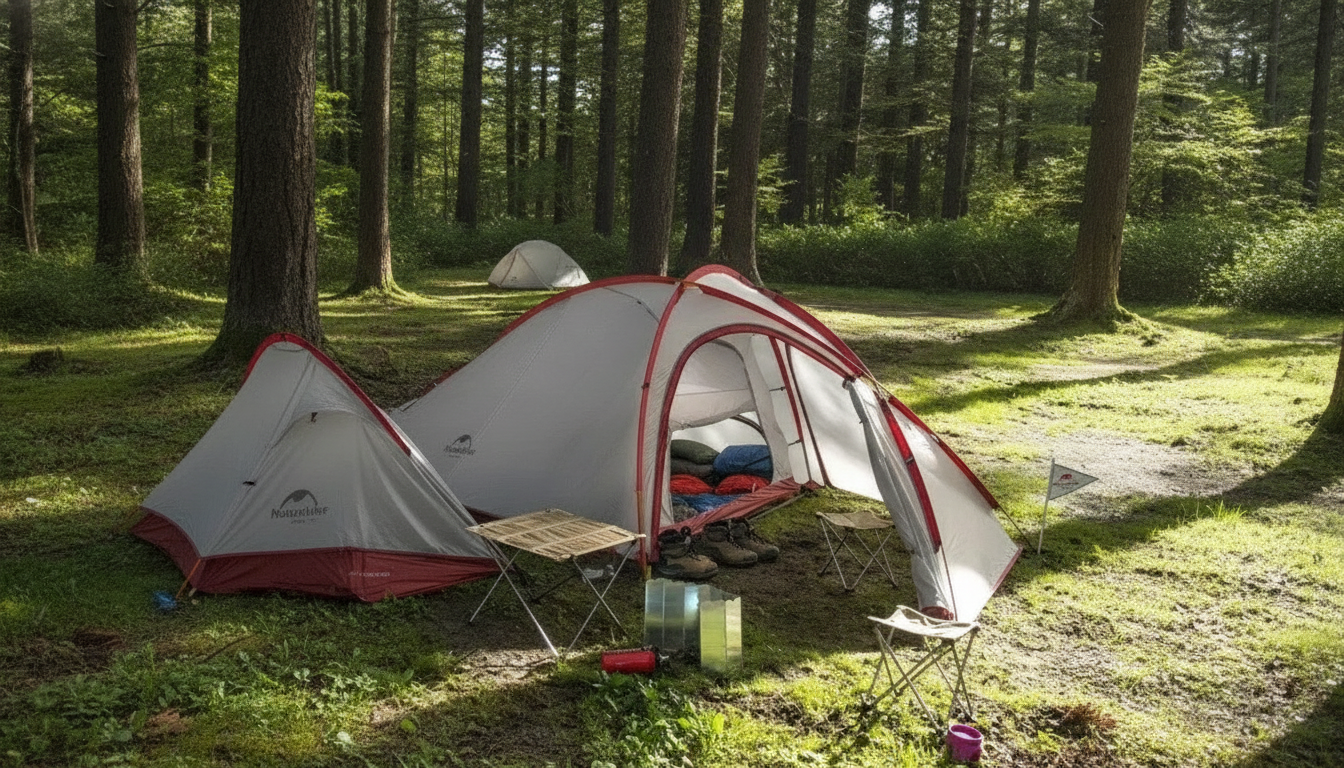
Ultralight 4-Season, Double-Layer Tent + “Living Room” Vestibule: What It’s For
An ultralight 4-season tent that still includes double-layer protection and a vestibule-style “living room” is built for campers who want storm readiness without sacrificing day-to-day livability. The double layers help handle condensation, wind, and spindrift, while the covered vestibule adds a practical buffer zone for wet gear, transitions, and organization. Below is a clear breakdown of who this shelter style serves best, what to look for before buying, and how to pitch and use it confidently in wind, snow, and wet conditions.
Who This Tent Setup Fits Best
This design makes the most sense when weather variability and bulky gear are part of the plan. It’s especially useful for:
- 3–4 person trips where volume matters: winter layers, thicker sleeping pads, bulky packs, and wet boots take up space quickly.
- Shoulder-season and winter camping: a full inner tent plus rainfly helps control condensation and reduces spindrift intrusion.
- Pairs or small groups wanting a “base-camp feel”: added covered space without stepping up to a heavy expedition tent.
- Campers who do tasks under cover: sorting gear, changing layers, or staging items in a vestibule can keep the sleeping area cleaner and drier.
Double Layers: Comfort, Condensation, and Storm Protection
A true double-layer setup works as a system: the inner tent manages the living space, while the outer fly takes the weather.
- Less clammy contact: the inner layer separates sleepers from the cold, damp outer fabric, which often reduces drips and that “wet wall” feeling when condensation forms.
- Better weather buffering: the rainfly blocks precipitation and wind, and adds protection from spindrift and windblown grit.
- Ventilation is non-negotiable: in cold weather, it’s tempting to seal everything shut, but controlled airflow usually beats trapped moisture. Crack vents and maintain an airflow path to limit frost buildup.
- Wet-weather performance depends on tension: a well-tensioned fly sheds water. A loose fly invites pooling, panel sag, and misting where fabric gets pressed inward.
For trips where forecasts can shift quickly, it also pays to follow conservative planning basics from Leave No Trace: Plan Ahead and Prepare, especially around route timing, backup camps, and weather-safe exit options.
The “Living Room” Vestibule: More Than Extra Space
A large vestibule isn’t just a luxury add-on; it changes how a tent functions during long nights and bad weather.
- A sheltered gear zone: packs, boots, and wet shells stay out of the sleeping area, keeping the inner tent drier and less cluttered.
- Storm-time workflow: it’s a safer spot for quick tasks—changing layers, brushing off snow, organizing tomorrow’s kit—without exposing everything to wind-driven precipitation.
- Cleaner entry and exit: stepping into a covered “airlock” reduces water tracked into the inner tent when it’s raining or snowing.
- Cooking under cover requires caution: prioritize cross-ventilation, keep any open flame well away from fabric, and never cook in an enclosed space due to carbon monoxide risk. Review the National Park Service carbon monoxide guidance before attempting any vestibule cooking, and follow stove and tent manufacturer instructions.
Key Features to Check Before Buying or Packing
At-a-Glance Checklist for Conditions
| Conditions | Top Priority | What to Do | Common Mistake |
|---|---|---|---|
| High wind | Stability | Stake all corners, add guylines, face narrow end into wind | Skipping guylines until after gusts start |
| Wet snow | Panel tension | Re-tension fly, clear snow, use extra guy-out points | Letting fabric sag so snow loads build up |
| Cold + humid | Ventilation | Open vents slightly, avoid blocking airflow with gear | Sealing everything shut and waking to heavy condensation |
| All-day rain | Drainage | Pitch on slight rise, avoid channels, check fly overlap | Camping in a low spot that becomes a puddle |
For additional winter risk planning, review NOAA National Weather Service winter weather safety guidance, especially around wind chill and fast-changing storm conditions.
How to Make a 3–4 Person Tent Feel Comfortable for 2–3
Care, Packing, and Long-Term Durability
Product Options Available Now
- Ultralight 4-Season Tent for 3-4 People with Double Layers and Living Room (in stock): designed for cold-weather versatility with added covered space for gear organization and smoother weather transitions.
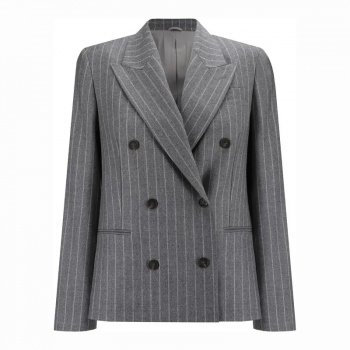
- Dolce & Gabbana Multicolor Viscose Jacket (in stock): a stylish layer option for town-to-trail trips where you want comfortable warmth before and after time in the tent.
FAQ
Is a double-layer tent warmer than a single-wall tent?
A double-layer tent often feels less drafty and helps you avoid contact with condensation, which can improve comfort. Actual warmth depends far more on your sleeping bag/quilt, pad insulation, wind management, and smart ventilation than on the tent alone.
Can the vestibule “living room” be used for cooking?
Use extreme caution: keep strong cross-ventilation, keep any flame well away from fabric, and avoid cooking in enclosed spaces due to carbon monoxide risk. Follow stove and tent manufacturer safety guidance every time.
How do you reduce condensation in cold, wet weather?
Vent slightly even when it’s cold, keep wet gear in the vestibule instead of the inner tent, and maintain firm fly tension so moisture sheds rather than sags. Choose a site with gentle airflow (not a low, damp basin) and wipe down interior moisture when needed.













Leave a comment