How to Style Dolce & Gabbana’s Asymmetrical Rose Shirt

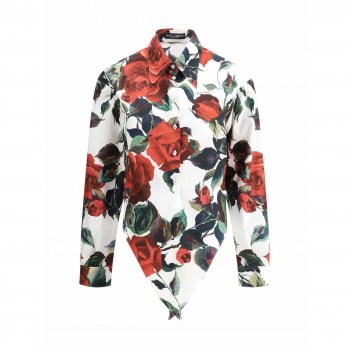
Dolce & Gabbana Asymmetrical Rose Print Shirt: Romantic Florals, Modern Direction
An asymmetrical rose-print shirt brings two strong style signals into one piece: a romantic floral motif and a silhouette that looks designed rather than simply “cut.” The result is an elevated top that can carry an outfit on its own—polished enough for tailored pairings, but easy to dress down with streamlined denim. If you’re building looks that feel intentional from every angle, this is the kind of piece that does the work with minimal extra styling.
For brand context and runway-level inspiration, it’s worth browsing the aesthetic roots behind this type of print on the Dolce & Gabbana Official Website and keeping an eye on styling shifts covered by Vogue.
What Makes the Asymmetrical Rose Print Stand Out
The appeal starts with movement. An asymmetrical cut creates a dynamic drape that reads as deliberate as you walk, turn, or sit—those directional lines give the shirt a “styled” look even before you add accessories.
- Asymmetry with purpose: Off-center hems and angled lines create visual momentum and a refined edge.
- Signature rose motif: The floral theme feels classic and recognizable, yet it stays wearable when balanced with minimalist bottoms.
- Dress-ready finish: A polished construction elevates the print beyond casual florals, making it comfortable in tailored settings.
- Statement without clutter: Because the print and silhouette lead, you can keep jewelry and extras restrained and still look complete.
If you’re shopping specifically for this centerpiece, see the Dolce & Gabbana Asymmetrical Rose Print Shirt – Elegant Floral Design.
At a Glance
Use this snapshot to compare outfit-building priorities—silhouette, print impact, and how easily the piece pairs with what you already own. It’s especially useful for wardrobes that rely on neutral staples, where one standout top can rotate through multiple looks.
Quick Details and Styling Value
| Feature | What to Look For | Why It Matters |
|---|---|---|
| Asymmetrical silhouette | Offset hem or angled closure lines | Creates an elevated shape that looks styled even with simple bottoms |
| Rose print placement | Balanced pattern that flatters from front and side views | Improves versatility and helps the outfit feel intentional |
| Occasion range | Works with denim, tailored trousers, or a sleek skirt | Expands cost-per-wear across casual, work, and evening looks |
| Care considerations | Fabric sensitivity to heat/steam and washing method | Preserves color saturation and garment structure over time |
Fit, Drape, and How to Get the Best Silhouette
With asymmetry, the goal is to let the line be seen—without fighting it. Think of the shirt as the architecture of the outfit, and keep the supporting pieces clean.
- Let the asymmetry lead: Choose bottoms with crisp lines (straight-leg trousers, slim jeans, pencil skirts, or slip skirts).
- Balance proportions: If the shirt has volume or a longer angled hem, go fitted on bottom; if it’s sleek, try a wider-leg trouser for contrast.
- Tuck strategy: A partial tuck can highlight the asymmetrical line without hiding it; a full tuck works when the hem detail is subtle.
- Layering discipline: Keep outerwear simple (structured blazer or minimalist trench) so the rose print stays the focal point.
Outfit Ideas for Day, Night, and Events
This shirt performs best when you treat it as the “one interesting thing” and build around it with restraint. That doesn’t mean boring—just edited.
- Day: Dark straight-leg denim, low-profile loafers, and a structured bag for polished ease.
- Work-ready: Tailored black trousers with a clean blazer; keep jewelry minimal to emphasize the print and shape.
- Evening: A sleek midi skirt (black or deep red) with heeled sandals; add a small clutch to keep lines refined.
- Event dressing: Satin or crepe bottoms for romance; pick one standout accessory (statement earrings or a cuff) rather than stacking multiple pieces.
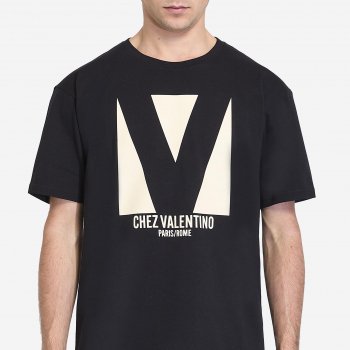
For a quieter alternative on off-duty days, a logo-forward basic can reset your rotation without losing polish—consider the Valentino Garavani Cotton T-Shirt with Monogram and Ribbed Collar when you want a clean silhouette with designer finish.
Color Pairing and Accessories That Complement Rose Prints
Rose prints look most expensive when the palette around them is controlled. Aim for harmony first, then add one precise accent.
- Best neutrals: Black, ivory, and warm beige keep the floral motif crisp and elegant.
- Elevated tonal accents: Deep burgundy, wine, or muted blush can echo rose tones without competing.
- Metal choices: Gold warms the palette; silver keeps it cooler and more modern—choose one and stay consistent.
- Shoes: Pointed flats, sleek ankle boots, or minimalist heels work best; avoid overly ornate footwear that competes with the print.
Care and Maintenance for a Pristine Finish
Print clarity and drape depend on gentle handling. Always prioritize the care label, especially with high-impact colors and tailored seaming. For general labeling context in the U.S., the FTC Textile and Wool Acts explain why fiber content and care instructions matter.
If you want a practical tool for quick refreshes before heading out, the Portable Handheld Fabric Steamer is an easy add-on for maintaining a crisp finish between cleanings.
When to Choose a Statement Shirt Over a Basic Top
FAQ
How should an asymmetrical shirt fit through the shoulders and waist?
The shoulders should sit cleanly without pulling or collapsing, since that’s where the garment’s structure starts. Through the waist and hem, a slightly freer drape is expected—just avoid sizing up so much that the asymmetrical line loses definition.
What bottoms look best with an asymmetrical floral shirt?
Streamlined silhouettes work best—tailored trousers, straight-leg denim, slip skirts, and pencil skirts—because they keep attention on the shirt’s directional hem and print placement. When in doubt, choose a clean waistband and minimal pocket bulk.
Is steaming safer than ironing for printed shirts?
Often yes, because steaming reduces direct heat contact and helps preserve the print surface and color saturation. Always follow the care label for the final word on temperature and handling.










Leave a comment