Food Processor Vegetable Chopper: Faster Weeknight Prep
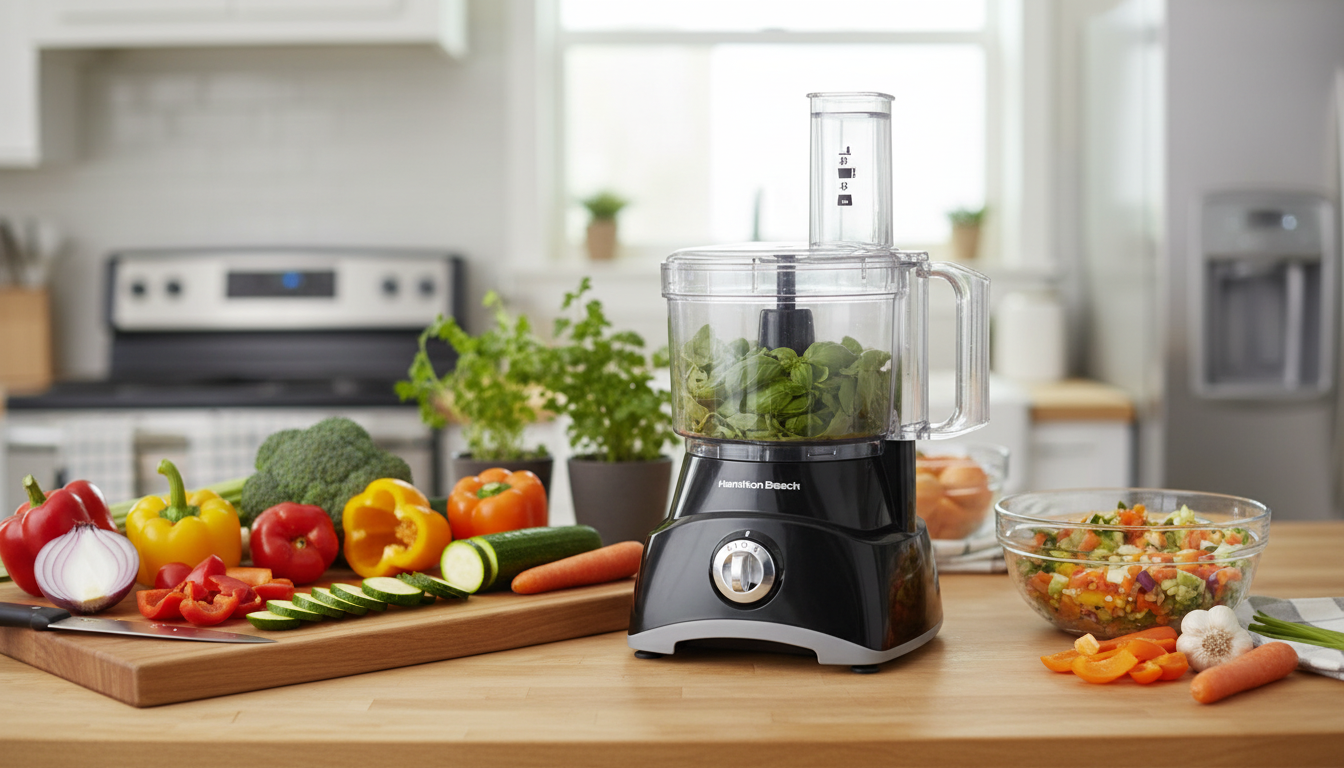
Food Processor & Vegetable Chopper: Fast Prep for Everyday Cooking
A food processor and vegetable chopper can cut down prep time for salads, soups, stir-fries, and meal prep while improving consistency in slicing and chopping. The right setup depends on the types of ingredients used most often, how much is prepped at a time, and how quickly cleanup needs to happen. With a few smart habits—like pulsing instead of running continuously—this one tool can handle the repetitive work that slows down weeknight cooking.
What This Tool Helps With Day to Day
When cooking happens in small windows—before work, between activities, or right at dinnertime—prep is usually the bottleneck. A processor or chopper helps most when you’re doing the same motions again and again.
- Speeds up repetitive prep like onions, carrots, cucumbers, cabbage, and herbs
- Creates consistent cuts that cook evenly (useful for sheet-pan meals and soups)
- Supports batch prep for weekly meal planning and large family meals
- Reduces hand fatigue compared with long knife sessions, especially for dense vegetables
- Helps with quick salsas, slaws, and chopped salad bases
Key Features That Matter Most
Not every kitchen needs the largest motor or the biggest bowl. The features below are the ones that tend to improve real-life results (and reduce frustration).
- Bowl capacity: small bowls suit quick sides; larger bowls suit batch prep and entertaining
- Blade and disc options: chopping blade for general use; slicing/shredding discs for slaws and cheese; julienne options if included
- Power and torque: denser items like carrots and sweet potatoes require more robust performance and stable bases
- Feed chute design: wider chutes handle larger pieces and reduce pre-cutting time
- Controls: pulse control is important for avoiding over-processing and turning vegetables into mush
- Stability and safety: non-slip base, locking lid, and overload protection improve confidence during use
- Material choices: BPA-free plastics and dishwasher-safe parts simplify cleanup
One more practical consideration: how quickly it can be rinsed and put away. If cleanup feels like a project, it’s easy to revert to a cutting board and knife—so dishwasher-safe parts and simple assembly can matter as much as performance.
Quick Guide: Which Setup Fits Common Kitchen Tasks
Different ingredients behave differently under the blade. Use this cheat sheet to match the job to the best attachment or mode, then fine-tune with short pulses.
| Task | Best attachment/mode | Tip for better results |
|---|---|---|
| Onions and aromatics | Chopping blade + pulse | Pulse 6–10 times; scrape sides once to keep size even |
| Cucumbers and zucchini | Slicing disc | Chill vegetables briefly for cleaner slices |
| Carrots and cabbage for slaw | Shredding disc | Cut into chute-friendly lengths to prevent jamming |
| Salsa-style mixes | Chopping blade + pulse | Process tomatoes last; drain excess liquid if needed |
| Herbs | Chopping blade + short pulses | Dry herbs well to avoid clumping |
For chopped salads, aim for texture, not “minced.” Pulse in short bursts and stop early. For slaw and grated vegetables, the shredding disc is usually the biggest time-saver compared with hand grating—especially when you’re doing multiple carrots or half a head of cabbage.
Using It Well: Better Texture, Less Waste
Great results come from a few repeatable habits. These keep vegetables crisp, prevent uneven chunks, and reduce the odds of over-processing.
- Start with evenly sized chunks so processing is uniform.
- Use pulse first, then short runs only if needed to prevent over-processing.
- Don’t overfill the bowl; leaving space improves circulation and consistency.
- Scrape down the sides once mid-process to avoid large pieces hiding at the top.
- For watery vegetables, salt briefly and pat dry when the recipe allows to reduce pooling.
- For strong odors (onion/garlic), rinse promptly and air-dry parts to reduce lingering smell.
For meal prep containers, process in batches and store in airtight containers. If you’re prepping items like shredded zucchini or chopped cucumber, adding a paper towel to the container can help manage excess moisture (swap it out as needed).
Cleaning and Care That Keeps Performance High
Clean tools run better and last longer—plus they’re safer. If you’re prepping raw proteins in the same session, keep cross-contamination prevention top of mind and wash components promptly.
- Disassemble immediately after use; dried-on residue is harder to remove.
- Use a soft brush for crevices around blades and lid seals; avoid abrasive pads that scratch plastic.
- Dry thoroughly before reassembly to reduce odor and protect metal components.
- Store blades safely (in a sheath or separate container) to protect edges and prevent accidents.
- If dishwasher-safe, place parts securely so heat and water don’t warp thinner pieces.
For additional guidance on safe, clean food prep practices, see the USDA’s resource on keeping kitchens clean (USDA FSIS — Kitchen Companion: Clean) and the FDA overview on foodborne illness prevention basics (FDA — Foodborne Illnesses: What You Need to Know).
Food Processor & Vegetable Chopper Option Available Now
Food Processor & Vegetable Chopper
More In-Stock Picks
- Portable Handheld Fabric Steamer (useful for quickly de-wrinkling table linens, kitchen curtains, or aprons)
- DIY Wooden Bloom Box 3D Puzzle Kit (a giftable, hands-on project for downtime between meal prep sessions)
FAQ
Can a vegetable chopper replace knife work completely?
It can handle bulk chopping, slicing, and shredding extremely well, but a knife is still useful for trimming, precise cuts, and delicate items like soft herbs or garnishes. Using both together usually creates the fastest workflow.
How to avoid turning vegetables into a paste?
Use pulse mode instead of continuous processing, avoid overfilling the bowl, and stop early to check texture. Firmer or briefly chilled produce also tends to chop more cleanly.
What vegetables are hardest to process and how to handle them?
Dense vegetables like carrots, sweet potatoes, and beets are the most challenging. Cut them into smaller pieces, use short pulses, and make sure the base is stable and the lid is properly locked before running.













Leave a comment