Container Gardening for Small Spaces: Indoor & Balcony
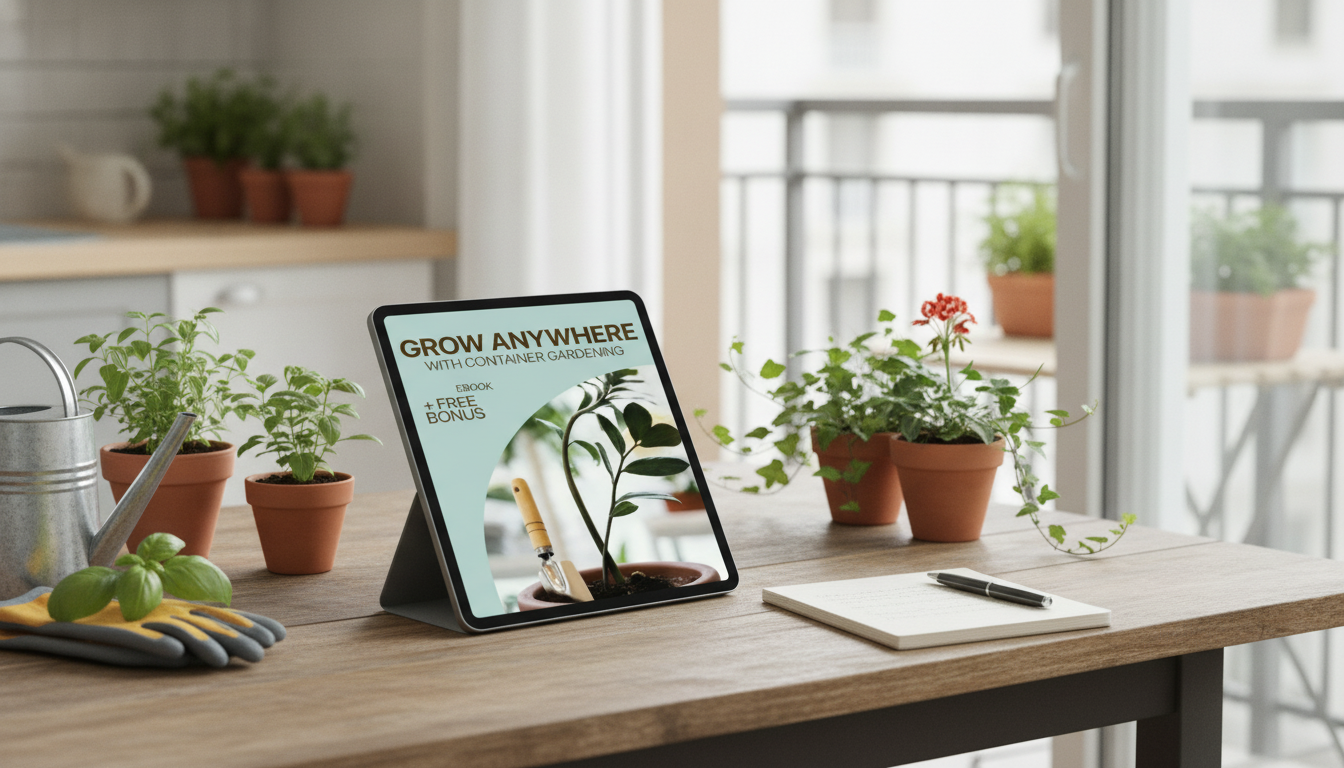
Grow Anywhere with Container Gardening: A Practical Indoor and Urban Guide
Container gardening makes it possible to grow herbs, greens, flowers, and even compact vegetables in apartments, patios, balconies, and small yards. With the right container, light plan, and watering routine, a few square feet can become a productive, good-looking garden that fits modern city life.
Why Container Gardening Works in Small Spaces
- Uses vertical space, railings, windowsills, and corners that traditional beds cannot.
- Provides control over soil quality, drainage, and pests compared to in-ground gardening.
- Enables “microclimates” by moving pots to chase sun, shade, or shelter from wind.
- Supports beginner-friendly experimentation: start small, learn fast, expand confidently.
Choosing the Right Container: Size, Material, and Drainage
In containers, the pot is your plant’s whole world—root room, moisture reserve, and stability all at once. Match the container to the plant’s mature size, and don’t compromise on drainage holes. Indoors, a simple saucer protects floors and windowsills, but it should never stay full of water for long.
- Match pot size to the mature plant: cramped roots reduce growth and yield.
- Prioritize drainage holes; use a saucer indoors to protect surfaces.
- Select materials based on climate: terracotta dries faster; plastic retains moisture; fabric breathes well.
- Plan for weight on balconies: wet soil and large planters can become heavy quickly.
Container Options at a Glance
| Container type | Best for | Pros | Watch-outs |
|---|---|---|---|
| Terracotta/clay pot | Herbs, succulents, flowers | Breathable; classic look | Dries quickly; can crack in freezes |
| Plastic pot | Most vegetables and houseplants | Lightweight; affordable; holds moisture | Can overheat in strong sun; less breathable |
| Fabric grow bag | Tomatoes, peppers, potatoes | Great aeration; reduces root circling | Needs more frequent watering; may wick moisture onto surfaces |
| Self-watering planter | Indoors, busy schedules | Steadier moisture; fewer watering mistakes | Requires correct setup; salt buildup needs flushing |
| Window box/railing planter | Greens, trailing flowers | Maximizes ledges and rails | Wind exposure; check secure mounting |
Soil and Fertility: Building a Container Mix That Performs
Great containers won’t help if the soil behaves like a brick. Use a quality potting mix (not garden soil), which is designed to drain while still holding enough moisture for roots. Because containers are watered more often, nutrients wash out faster—so feeding needs to be planned, not improvised.
- Use potting mix (not garden soil) to prevent compaction and poor drainage.
- Add slow-release fertilizer or compost according to label directions; containers deplete nutrients faster.
- Improve structure with perlite or coco coir for airflow and consistent moisture.
- Refresh seasonal pots by topping up mix and rebalancing nutrients rather than reusing exhausted soil unchanged.
Light for Indoor and Urban Gardens
Light is the fuel for growth. Start by counting hours of direct sun where the container sits, then choose plants that match that reality. If you’re growing near a window, rotate pots weekly so plants don’t lean and stretch toward the glass.
- Track light by hours: many fruiting plants prefer 6–8+ hours; leafy greens can manage with less.
- Use reflective surfaces or light-colored walls to boost indoor brightness.
- Rotate containers weekly for even growth near windows.
- Consider grow lights for winter, deep apartments, or consistent seed-starting schedules.
For outdoor containers, local climate matters too—especially for overwintering perennials. Use the USDA Plant Hardiness Zone Map to understand what reliably survives in your region.
Watering Without Guesswork
Container watering gets easier when you replace strict schedules with quick check-ins. Water thoroughly until runoff, then let the plant settle into a moist (not soggy) rhythm. Indoors, always empty saucers after a short drain period so roots aren’t stuck in standing water.
- Water deeply until runoff, then empty saucers after 15–30 minutes to avoid root issues indoors.
- Check moisture with a finger test: top 1–2 inches dry for many plants, while herbs vary by type.
- Mulch the surface (bark, straw, or decorative pebbles indoors) to reduce evaporation.
- Adjust for heat, wind, and container material; small pots dry faster than large planters.
If you want more detailed, research-backed tips on container setups, the University of Minnesota Extension’s container vegetable guide is a dependable reference.
What to Grow: Reliable Plants for Containers
For design ideas and container combinations (thrillers, fillers, and spillers), the Royal Horticultural Society’s container advice is a practical place to explore.
Spacing, Support, and Simple Urban Layouts
Common Problems and Quick Fixes
A 7-Day Starter Plan for a First Container Garden
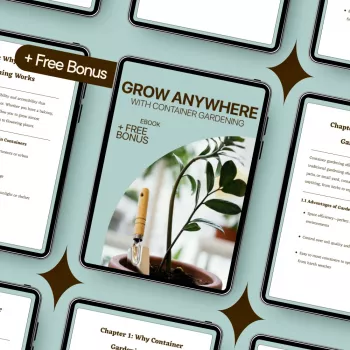
Grow Anywhere with Container Gardening: eBook Overview
If you want a simple reference you can revisit as seasons change, Grow Anywhere with Container Gardening: The Ultimate eBook for Container Gardening Basics, Indoor & Urban Gardening Guide walks through the core skills that make small-space gardens repeatable, not random.
For a hands-on project that doubles as décor, the DIY Wooden Bloom Box 3D Puzzle Kit adds a crafty way to celebrate your plant corner—especially for windowsills, shelves, or giftable indoor garden setups.
FAQ
What vegetables grow best in containers on a balcony?
Look for compact or “patio” varieties and quick crops like lettuce, herbs, radishes, strawberries, and dwarf tomatoes or peppers. Match the pot size to the mature plant, add a trellis for climbers, and aim for 6–8 hours of sun for fruiting plants.
Do indoor container gardens need grow lights?
Not always—bright south-facing windows can work well for herbs and many greens. Grow lights help most in winter, in deeper rooms, or when growing fruiting plants; a practical target is about 12–16 hours of total light per day when supplementing.
How often should container plants be fertilized?
Containers lose nutrients faster due to frequent watering, so follow product labels closely. Many gardeners use slow-release fertilizer at planting and add a weekly or biweekly liquid feed for heavy feeders like tomatoes.













Leave a comment