Cat Litter and Asthma: Triggers & Safer Cleanup Tips
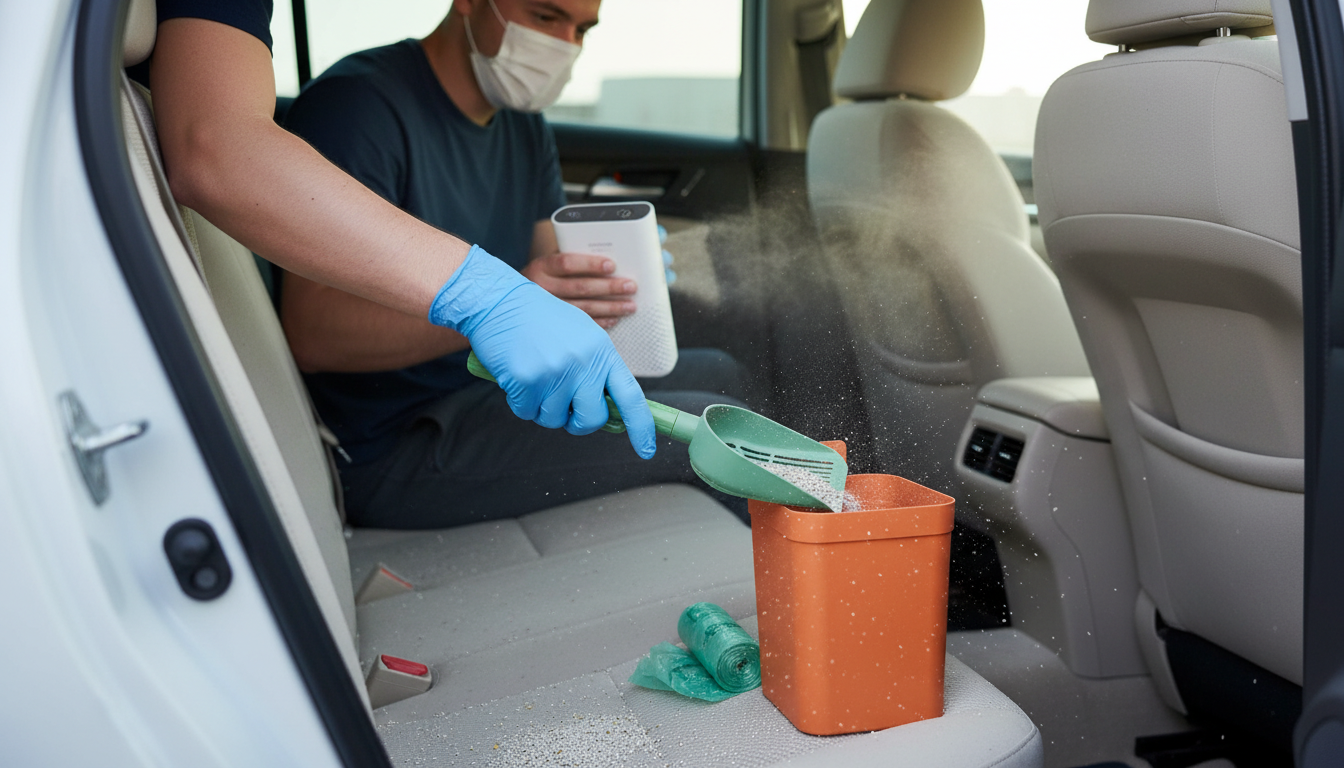
Can cat litter trigger asthma?
Yes. Cat litter can trigger asthma symptoms in some people because it often releases fine dust and scent chemicals into the air, especially when you pour fresh litter, scoop daily clumps, or clean the box. Those particles and fumes can irritate sensitive airways and set off coughing, wheezing, chest tightness, or shortness of breath.
Why litter can be an asthma trigger
Dust from clay and tracking
Many clumping litters (particularly clay-based) create airborne dust. Even “low-dust” options can kick up particles when disturbed. Dust can also spread through the home via paw tracking, then get re-suspended when you walk or vacuum.
Added fragrances and odor-control chemicals
Scented litters and some deodorizers can irritate the lungs. For people with asthma, strong fragrances may act like a trigger even when dust levels seem low.
Ammonia from urine buildup
If the box isn’t scooped often, urine can break down and release ammonia odors. Ammonia is a respiratory irritant and may worsen asthma symptoms, especially in small or poorly ventilated spaces.
How to reduce asthma flares around the litter box
Choose an unscented, low-dust litter and avoid pouring from high up (which creates a dust plume). Scoop at least once daily and keep the area ventilated. If possible, have a non-asthmatic household member handle litter tasks, or wear a well-fitting mask while scooping. A covered trash can for waste and a consistent routine can also help keep odors and irritants down.
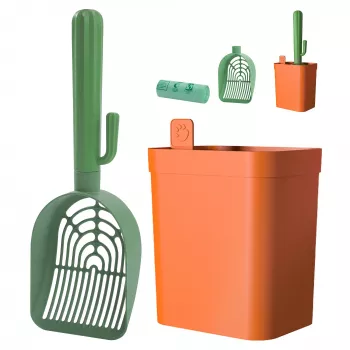
For a cleaner day-to-day setup that supports quick, consistent scooping, see this guide: Cactus cat litter scooper with holder: cleaner daily scoops.
When to get medical help
If symptoms escalate, rescue inhalers aren’t helping, or you notice severe shortness of breath, seek urgent care. Persistent symptoms after litter changes may also point to other triggers (like cat dander or household dust) worth discussing with a clinician.
FAQ
Is crystal cat litter better for people with asthma?
It can be, since many crystal litters are lower in dust than some clay options, but individual brands vary. Unscented, truly low-dust formulas tend to be the safest starting point for sensitive airways.













Leave a comment