Rolife Miniature Houses: Difficulty, Time & Tips
Are Rolife DIY miniature houses hard to build?
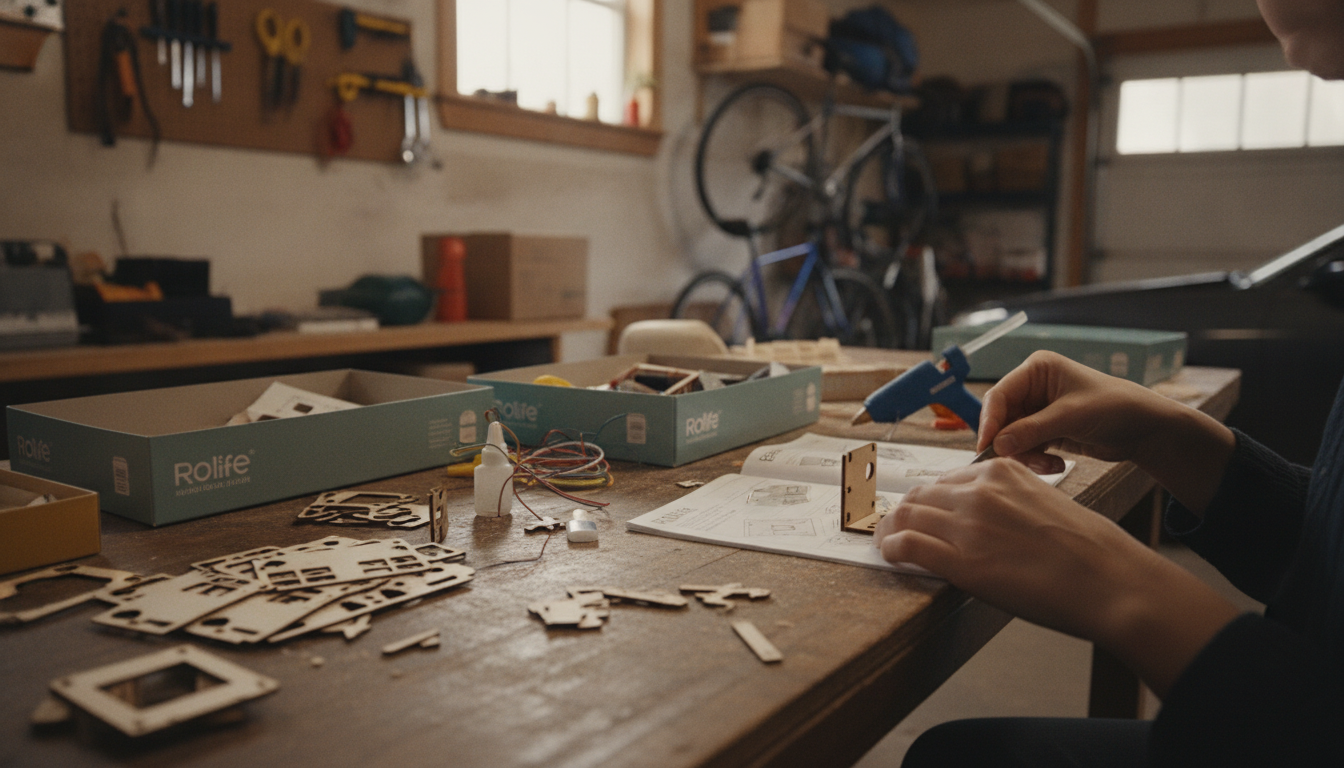
Rolife DIY miniature houses aren’t “hard” in the way woodworking or electronics can be hard, but they do require patience, careful hands, and a little time. Most kits are designed for hobbyists, so the parts are pre-cut and the instructions are step-by-step. The challenge usually comes from working at a tiny scale: aligning walls perfectly, keeping glue neat, and handling small decorative pieces without rushing.
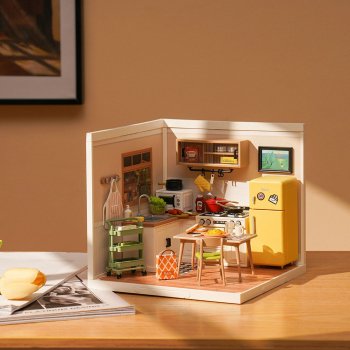
Difficulty also depends on the specific kit series. Simpler “room box” styles tend to be more beginner-friendly, while larger houses with multiple rooms, lighting, and lots of tiny accessories can feel more advanced. If a kit includes wiring for LED lights, it adds a learning curve, but it’s typically straightforward—more about organizing components and following diagrams than technical skill.
What makes them feel challenging?
Small parts and precision
Miniature furniture, trim, and décor often need clean edges and accurate placement. A small misalignment can make doors look crooked or prevent pieces from fitting flush.
Drying time and sequencing
Many steps involve waiting for glue to set before moving on. Skipping drying time can cause pieces to shift and create extra rework later.
Repetitive detail work
Some builders find repeated tasks—like folding paper accessories or assembling multiple tiny drawers—more tiring than difficult. Taking breaks helps keep quality high.
How to make a Rolife build easier
Set up a bright workspace, sort pieces before starting, and test-fit parts before gluing. Using the right tools (fine tweezers, precision scissors/knife, and small clamps) makes a noticeable difference, especially on detailed kits. For a practical walkthrough on tools, steps, and troubleshooting, see this guide: DIY Miniature Kitchen Kit: Tools, Steps & Pro Tips.
Who is it best for?
Beginners can absolutely enjoy Rolife kits if they’re comfortable following instructions and working slowly. Crafters who like puzzles, model building, or scrapbooking often pick it up quickly. If frustration happens, it’s usually from rushing—not from the kit being impossible.
FAQ
How long does it take to build a Rolife miniature house?
Smaller kits can take several hours to a couple of evenings, while larger, highly detailed houses often take multiple sessions over a week or more. Your pace depends on how much time you spend on neat finishing and details.









Leave a comment