Portable Handheld Fabric Steamer: Wrinkle-Free in Minutes
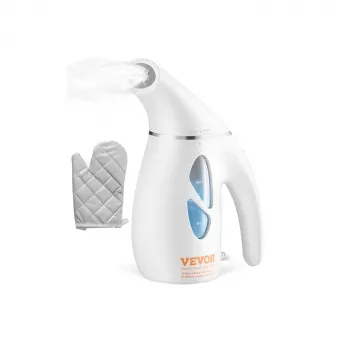
Portable Handheld Fabric Steamer for Fast, Gentle Wrinkle Removal
A portable handheld fabric steamer is an easy way to smooth wrinkles and refresh clothing without dragging out an ironing board. With a steady flow of hot vapor, it relaxes fibers so fabric falls back into shape—great for quick mornings, travel touch-ups, and pieces that don’t love direct heat. Below is a practical guide to when a compact steamer shines, which features make it easier to use day after day, and how to steam safely for a crisp look on everything from cotton tees to synthetic blends.
What a Handheld Steamer Does (and When It Beats an Iron)
A handheld steamer sends hot vapor through fabric to lift and relax fibers. That helps reduce wrinkles, lightly deodorize, and restore drape—especially on garments that are already hanging.
- Quick wrinkle reduction with less setup: Plug in, fill, heat, and steam—no board required.
- Great on hard-to-press areas: Steam reaches around buttons, along seams, and into collars without awkward ironing angles.
- Friendlier to many delicate or textured materials: Knits and silk-like synthetics are less likely to get shine marks or flattened texture than with a hot soleplate.
- Ideal for last-minute refreshes: A few passes can revive a blazer, dress, or tee before heading out.
An iron still wins when you want razor-sharp creases on trousers, when dealing with heavy cotton or linen, or when pressing large flat panels (like oversized shirting) where direct pressure matters.
Key Features to Look For in a Portable Handheld Fabric Steamer
Small design details can make the difference between a steamer you use weekly and one that stays in the closet.
- Heat-up time: Faster warm-up helps when you’re getting ready or steaming one outfit in a hotel room.
- Water tank size & steam time: Larger tanks reduce refills; smaller tanks pack easier for travel. Choose based on whether you steam a full load or quick touch-ups.
- Consistent steam output: Steady vapor means fewer passes and fewer damp spots on fabric.
- Portability: Look at overall weight, grip comfort, and cord length. If it feels awkward in hand, it’s harder to keep smooth, even passes.
- Leak resistance / anti-spit design: Helps prevent droplets that can spot darker fabrics.
- Safety basics: A stable base, overheat protection, and an auto shutoff add peace of mind—especially for rushed mornings.
- Useful attachments: A brush or lint head can help on thicker fabrics, while a crease tool (if included) can give trousers a more tailored look.
At-a-Glance Comparison: Steamer vs Iron vs Garment Spray
Use this quick snapshot to pick the best tool for the job—whether that’s fast de-wrinkling, crisp creases, or a lightweight refresh.
| Tool | Best for | Strengths | Trade-offs |
|---|---|---|---|
| Portable handheld steamer | Hanging garments, delicate fabrics, quick touch-ups | Fast setup, gentle on many materials, reaches awkward areas | Not ideal for sharp creases; needs refills on long sessions |
| Steam iron | Crisp creases, heavy cotton/linen, flat panels | Sharp finish, strong pressure on wrinkles | Requires board/flat surface; risk of shine/scorch on some fabrics |
| Wrinkle-release spray | Light smoothing and refresh between wears | No heat, ultra portable | Limited wrinkle removal; can leave dampness or residue if overused |
How to Use a Handheld Steamer for Clean Results
A few small habits help you get smoother results with fewer passes—and reduce the chance of spotting or re-wrinkling.
For broader safety guidance around hot liquids and steam, review burn-prevention basics from the UK Health and Safety Executive.
Fabric Compatibility and Care Tips
Steam is versatile, but fabric type—and the care label—should drive your approach. The Federal Trade Commission (FTC) offers helpful background on clothing care labels, and the American Cleaning Institute provides general fabric care guidance.
Travel and Small-Space Setup Ideas
Common Mistakes to Avoid
A Practical Pick for Everyday Touch-Ups
For office wear, uniforms, and last-minute outfit checks, a compact steamer is a reliable upgrade—fast to set up and gentler than pressing for many fabrics. A dedicated option like the Portable Handheld Fabric Steamer is especially handy when you want quick results in small spaces.
It also pairs well with elevated basics where you want a polished finish without aggressive heat. For example, a premium tee like the Valentino Garavani Cotton T-Shirt with Monogram and Ribbed Collar can look freshly styled with a few light passes to relax packing creases and keep the collar area neat.
FAQ
Can a handheld steamer replace an iron?
For most quick wrinkle removal and many delicate fabrics, it can handle the job. For sharp creases and heavy linen or thick cotton, an iron still delivers a more structured finish.
Is steaming safe for delicate fabrics like silk or synthetics?
It’s often safe when you keep the steamer moving, use a small distance, and avoid over-wetting. Test on an inside seam first and follow the garment’s care label.
How do water spots happen when steaming, and how can they be prevented?
Water spots usually come from spitting caused by using the steamer before it’s fully heated, overfilling the tank, or mineral buildup. Fully preheat, don’t exceed the fill line, and descale as recommended.











Leave a comment