Stop Screen Headaches: Fast Relief + Daily Prevention Plan
Why screens can trigger headaches
Screen-related headaches rarely come from “screen time” alone. Most flare-ups are a stack of small stressors that add up: intense focusing, dry eyes, glare, awkward posture, and screen settings that make your visual system work harder than it should.
- Eye strain from fixed-distance focus: Staring at a single distance for long stretches (especially with small text) increases visual effort and can create a pressure-like feeling behind the eyes.
- Dryness from reduced blinking: Blink rate often drops during concentrated work, so the eye surface dries out and can start to burn, sting, or feel gritty—sensations that can blend into a headache.
- Glare and reflections: Reflections or washed-out contrast cause constant micro-adjustments in focus and subtle squinting, which builds fatigue faster.
- Neck and shoulder tension: A forward-head posture (common with laptops) loads the neck and upper traps. That tension can refer pain to the temples, forehead, and behind the eyes.
- Brightness mismatch and late-night light: A screen that’s much brighter than the room can feel harsh. Bright, high-contrast work at night can also worsen sensitivity and disrupt sleep, increasing next-day headache risk.
Fast relief when a screen headache starts
When symptoms hit, the quickest win is reducing demand—both visual and physical—before trying to “push through.”
- Stop close-up work for 2–5 minutes: Look across the room or out a window, unclench the jaw, and let the shoulders drop.
- Enlarge what you’re viewing: Zoom to 125–150%, increase font size, and add line spacing so you’re not squinting.
- Fix glare first: Close blinds, rotate the monitor, or move a lamp so light sources aren’t reflecting off the display. Then adjust screen brightness if needed.
- Warm compress (3–5 minutes): If the discomfort feels “tight,” dry, or gritty, gentle warmth over closed eyes can be soothing.
- Hydrate + quick neck reset: Try a few gentle chin tucks, an upper-trap stretch, and slow shoulder rolls while breathing steadily.
- Know the red flags: If you have severe pain, sudden vision changes, weakness, confusion, fainting, fever/stiff neck, or a “worst headache,” stop screen use and seek urgent medical care.
A simple daily screen routine that prevents flare-ups
The goal is to lower baseline strain so headaches don’t build in the first place—especially on heavy workdays.
Quick routine: match the fix to the trigger
| What it feels like | Likely trigger | Do this now | Habits that help most |
|---|---|---|---|
| Behind-the-eyes pressure | High visual demand / small text | Zoom 125–150%, increase font size | Micro-breaks + larger default text |
| Burning or gritty eyes | Dry eye from reduced blinking | Blink reset + lubricating drops (if appropriate) | Blink cues + humidifier / airflow control |
| Temple or forehead tightness | Jaw/neck tension + posture | Chin tuck + shoulder drop + slow breathing | Monitor height + chair support + stretch breaks |
| One-sided or throbbing pattern | Migraine tendencies + light sensitivity | Dim lights, reduce glare, take a full break | Consistent sleep + light management |
| Headache after meetings | Staring + stress + poor ergonomics | Stand, look far away, hydrate | Shorter blocks + better camera/monitor placement |
Screen settings that usually make the biggest difference
Ergonomics that take pressure off the eyes and neck
For broader workstation guidance, the CDC’s ergonomics resources are a helpful reference for reducing musculoskeletal strain over time: CDC – Ergonomics and Musculoskeletal Disorders.
When it’s more than screen fatigue
- Consider an eye exam: An outdated prescription, astigmatism, or binocular vision issues can make screens feel unusually demanding. The American Academy of Ophthalmology overview of computer vision symptoms is a useful baseline: AAO – Computer Vision Syndrome.
- Watch for migraine patterns: Screens can trigger migraines, but migraines often require broader management (sleep regularity, light sensitivity strategies, and clinician guidance).
- Dry eye and allergies: Burning, tearing, or fluctuating blur can mimic “screen headaches” and may need targeted treatment.
- Urgent red flags: Sudden severe headache, persistent vision loss, fainting, neurologic symptoms, fever/stiff neck—seek immediate medical evaluation. The Mayo Clinic’s guidance can help clarify when to seek care: Mayo Clinic – Headaches: When to see a doctor.
A guided, step-by-step plan to build smarter screen habits
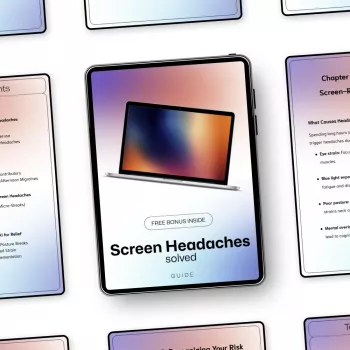
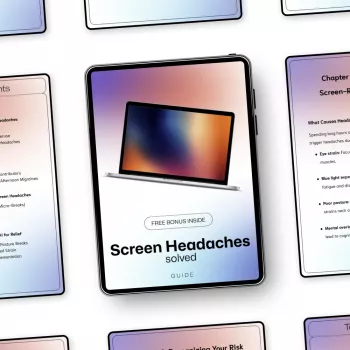
If you want a structured way to reduce symptoms and keep them from coming back, a practical guide can make the process faster: Screen Headaches Solved – A Practical Digital Guide to Headaches From Screen Overuse, Eye Strain Relief & Smart Screen Habits.
If stress relief helps you hold boundaries around breaks, a screen-free hands-on activity can be an easy reset between blocks of work, such as the DIY Wooden Bloom Box 3D Puzzle Kit.
For those who notice headaches worsen when working in wrinkled, visually “busy” environments (or when rushing before video calls), simplifying the pre-meeting routine can reduce tension—some people like using a quick garment tool such as the Portable Handheld Fabric Steamer to cut down last-minute stress.
FAQ
How long should a break be to relieve eye strain from screens?
A good starting point is 20 seconds of distance viewing every 20 minutes, plus a longer 5–10 minute break every 60–90 minutes. If symptoms are already strong, take the longer break sooner and reduce visual demand (zoom, font size) before returning.
Do blue light glasses prevent screen headaches?
Evidence is mixed for preventing headaches specifically. Some people find them more comfortable, but the biggest improvements usually come from glare control, larger text, consistent breaks, sleep-friendly evening settings, and the right vision prescription.
When should screen headaches prompt a doctor visit?
Seek urgent care for sudden severe headache, neurologic symptoms, fainting, fever/stiff neck, or persistent vision loss. For frequent headaches, suspected migraines, or ongoing dry eye/vision issues, a clinician and an eye exam can help identify treatable causes.















Leave a comment