Do Indoor Cats Like Cat Trees? Benefits & Tips
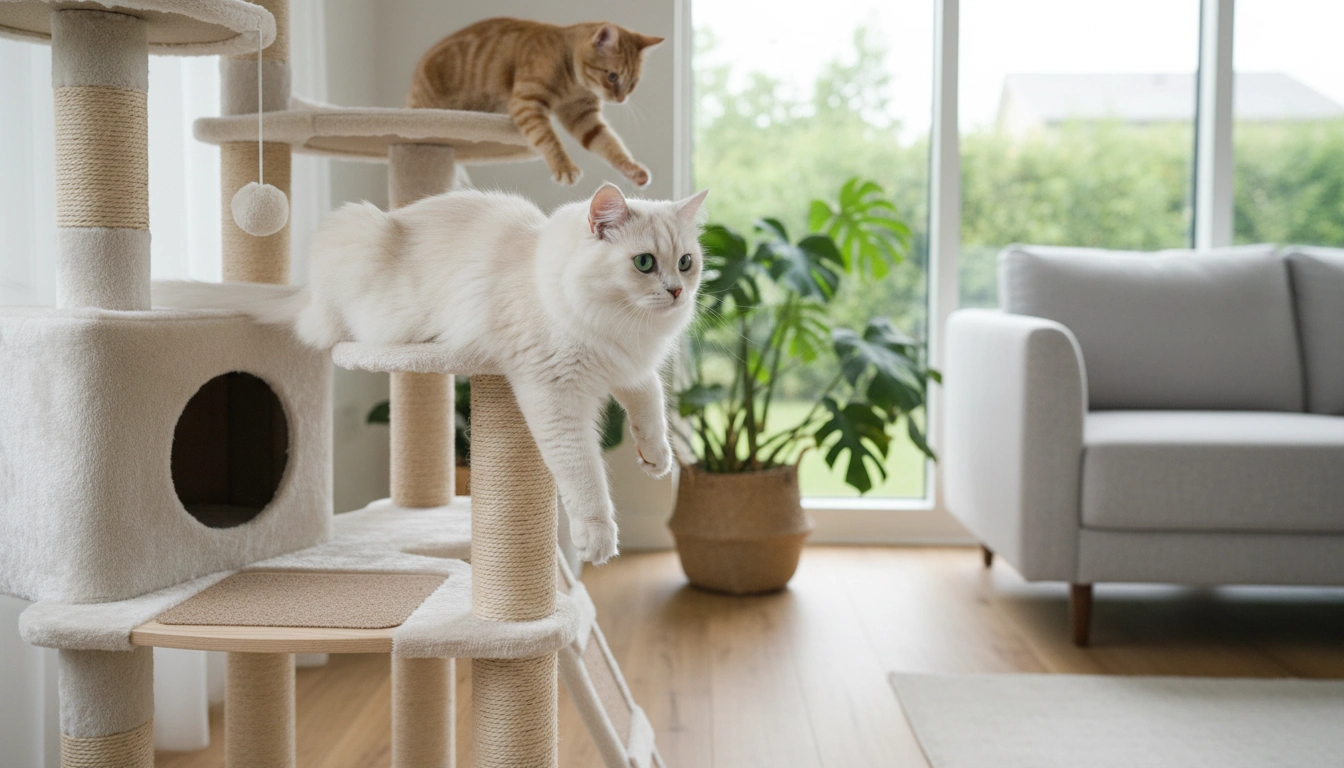
Do indoor cats like cat trees?
Most indoor cats do like cat trees—especially when the tree matches what cats naturally want to do all day: climb, perch, scratch, and nap in a spot that feels safe. A cat tree can turn a flat, predictable room into a mini “territory” with vertical space, which many cats find calming and engaging.
Cats often show their preference by using the highest platform as a lookout, rubbing their cheeks along edges to mark it as theirs, or returning to the same perch for regular naps. Even cats that seem “lazy” on the floor may become more active once there’s a stable, inviting place to climb and lounge.
What makes a cat tree appealing to an indoor cat?
The biggest draw is height. Being up off the ground gives many cats a sense of security and control, especially in busy homes. Scratching features (like sisal-wrapped posts) also matter because scratching isn’t just about claws—it’s stretching, scent marking, and stress relief all in one.
Comfort and layout play a role, too. Platforms that are large enough to sprawl on, cozy cubbies for hiding, and a stable base that doesn’t wobble all increase the chances your cat will use it daily. If your home is short on space, a compact tree can still deliver those benefits without taking over the room.
How to help your cat actually use it
Place the cat tree where your cat already likes to hang out—near a window, next to a favorite sofa corner, or in the room where people gather. Add a familiar blanket or a pinch of catnip, and reward early exploration with a treat or play session. If your cat is hesitant, start by enticing them to the lower levels and let them “graduate” upward at their own pace.
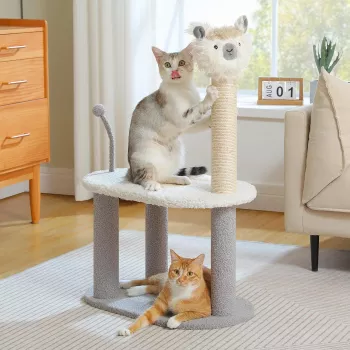
For a deeper look at choosing the right size, scratcher materials, and play features, see this guide: compact cat tree with sisal scratcher and play area for indoor cats.
FAQ
Where should I put a cat tree for an indoor cat?
Put it near a window or in a room your cat spends time in, ideally where they can watch activity without being in the middle of it. Avoid spots where it wobbles or where loud appliances may startle them.














Leave a comment