Best Lightweight Vacuum Cleaner: How to Choose
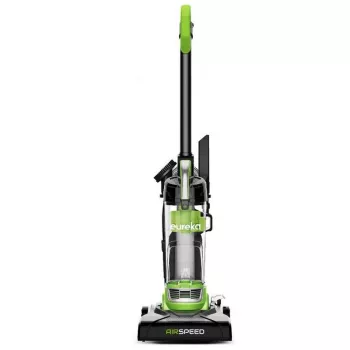
Which lightweight vacuum cleaner is the best?
The best lightweight vacuum cleaner is the one that matches your floors, cleaning habits, and how much carrying you actually do. For many homes, a lightweight, bagless upright hits the sweet spot: it’s easy to maneuver, stands on its own, and usually has enough suction for daily messes without the bulk of a full-size model.
If the home has mostly hard floors with a few low-pile rugs, prioritize a vacuum with a brushroll shutoff (or a gentle hard-floor mode) and strong edge cleaning. In carpeted spaces, especially medium-pile, look for adjustable height or an auto-adjusting floor head so the vacuum stays easy to push while still pulling out embedded debris. For pet hair, a tangle-resistant brushroll and a well-sealed filtration system can make a bigger difference than shaving off one more pound.
What to look for in a “best” lightweight pick
Weight and balance: The number on the box matters less than how it feels when turning corners or lifting onto stairs. A lighter vacuum with a top-heavy design can still feel awkward.
Usable suction: Strong airflow at the floor head matters more than marketing terms. A good lightweight model should handle crumbs, dust, and hair in one or two passes on the surfaces you clean most.
Filtration and bin design: If allergies are a concern, choose a vacuum with a sealed system and HEPA-level filtration. Also check how the bin empties—easy, one-touch emptying helps keep dust from puffing back out.
Tools and reach: A stretch hose, crevice tool, and upholstery tool cover couches, baseboards, and car seats without hauling a second machine.
For a clear checklist of what to compare—weight ranges, floor compatibility, filtration, and day-to-day usability—visit the full guide: lightweight bagless upright vacuum buyer checklist.
FAQ
Is a cordless stick vacuum powerful enough for whole-house cleaning?
Many are, but runtime and bin size can limit them. For larger homes or lots of carpet, a lightweight upright often delivers stronger sustained cleaning without mid-job recharging.













Leave a comment