SU27 RC Glider for Kids: 2.4G Control + 2 Batteries
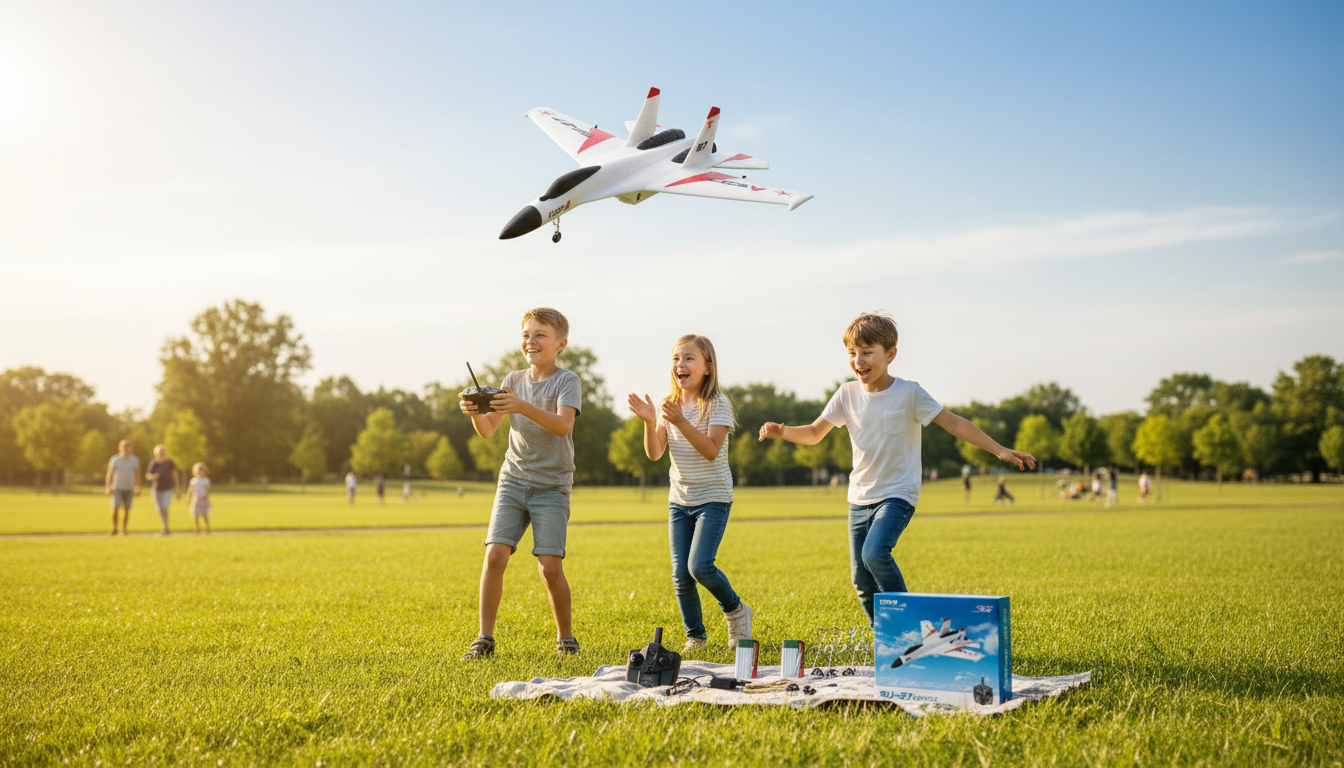
A lightweight RC glider can turn a park visit into a hands-on lesson in coordination, airflow, and confidence. This SU27-style 2.4G remote control plane includes two batteries to extend playtime, with simple controls suited to beginners while still feeling fast and exciting once basic steering clicks.
What It Is and Who It Fits Best
The SU27 RC Plane 2.4G Remote Control Glider with 2 Batteries for Kids is a beginner-friendly outdoor RC glider styled after a classic SU27 jet silhouette. It’s designed for recreational flying where the goal is steady, repeatable laps and gentle landings—not complex aerobatics or advanced tuning.
- A good match for kids who want a “real plane” look and feel without the learning curve of hobby-grade multi-channel aircraft.
- Ideal for families shopping for a ready-to-go gift, especially with two batteries included to help reduce downtime.
- Best used in open spaces such as fields, large parks, or wide beaches where there’s room to drift and recover.
- Not a great fit for tight backyards, crowded parks, or areas with lots of trees, power lines, or foot traffic.
Key Features to Look For in a Kids’ RC Glider
Kids’ RC planes are most fun when the first few flights feel manageable. A few practical features make a big difference, especially during the learning stage.
- 2.4G control system: helps reduce interference so control stays more consistent and multiple flyers can be nearby without constant signal conflict.
- Glider-style airframe: typically more forgiving than heavier, faster planes—useful when a child is still learning how much steering is “enough.”
- Two-battery bundle: makes it easier to plan longer sessions and keeps the fun going while one pack cools down.
- Durability and repairability: bumps happen; look for materials that handle minor impacts and simple parts that can be reattached or swapped.
- Simple control mapping: straightforward inputs (power plus steering/elevator style control) are easier than complex aerobatic channel setups.
At-a-Glance Specs and Buying Checklist
Before the first launch, it helps to verify what’s included and what needs to be prepared at home. Two batteries are a major convenience, but charging method and space requirements matter just as much.
Quick checklist for the SU27 RC glider setup
| Item to verify | Why it matters | What to prepare |
|---|---|---|
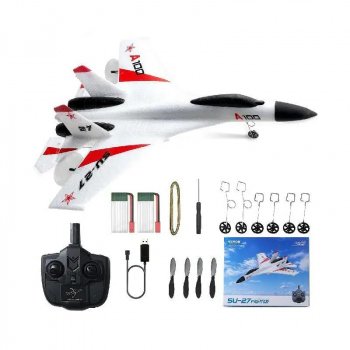
| 2 batteries included | Longer playtime and fewer interruptions | Charge both before heading outside |
| 2.4G remote control | More stable control and less signal conflict | Fresh remote batteries if required (if not included) |
| Charging method | Determines convenience and downtime | USB power adapter or power bank |
| Flying area | Reduces crashes and lost planes | Open field, low wind, clear landing zone |
| Basic safety plan | Prevents injuries and battery issues | Adult oversight, safe distance from people and pets |
Setup and First Flight (Kid-Friendly Routine)
A smooth first session is mostly about preparation and pacing. Keeping early flights short and calm helps kids connect what they do on the controller to what the plane does in the air.
- Pre-charge both batteries fully so the first outing is focused on flying, not waiting.
- Do a quick pre-flight check: confirm the battery is secure, controls respond correctly, and nothing feels loose.
- Start with gentle inputs; small turns and steady power are easier to manage than sudden full-throttle changes.
- Practice a simple pattern: straight line → gentle turn → straight line → slow approach → land.
- Keep first flights short; quick breaks help kids remember what caused each climb, dip, or turn.
Flying Tips for Smoother Control and Fewer Crashes
A light glider can feel “twitchy” if conditions aren’t right. A few habits make the plane feel calmer and reduce the odds of a rough landing.
- Pick low wind conditions: gusts can move a lightweight airframe fast, especially during takeoff and landing.
- Take off into the wind: it helps stability and can make the climb feel less sudden.
- Use less steering than expected: small corrections prevent over-turning and stalls.
- Start the landing early: reduce power gradually and avoid sharp turns close to the ground.
- Set a “runway rule”: only one person retrieves the plane, and only after the prop has fully stopped.
Battery Care and Charging Safety for Kids’ RC Planes
Battery safety is simple when it’s consistent. Make charging and storage a routine, not an afterthought.
For general guidance on safe handling, review recommendations from the NFPA on lithium-ion battery safety.
Choosing a Safe Place to Fly
Two helpful references are the Academy of Model Aeronautics Safety Handbook and the FAA recreational flyer guidance.
Troubleshooting Common Issues
When This SU27 Glider Makes a Great Gift
More In-Stock Picks for Family Outings
- Dolce & Gabbana Multicolor Viscose Jacket (a standout outer layer when the breeze picks up in open fields).
- Luxury Iridescent Shell Placemats – Handmade Nordic Round Decorative Tray (a handy decorative tray option for snacks and small gear).
FAQ
What age is a remote control glider like this suitable for?
Many kids can start enjoying a beginner RC glider around ages 6–8 with close adult help, especially for takeoff, trimming, and safe retrieval. Older kids (around 9–12+) often do well with more independent practice in wide open areas, with an adult still supervising charging and safety.
How long do the two batteries typically last in total?
Total runtime depends on throttle use, wind, and battery condition. A practical expectation is that each battery provides a short flying session, and having two allows back-to-back flights; charging both before heading out helps maximize total playtime.
Is it safe to charge the batteries at home?
Yes, when charging is supervised by an adult and done on a non-flammable surface. Let packs cool before recharging, and stop using any battery that looks swollen, leaks, smells unusual, or becomes excessively hot.













Leave a comment