Plan a Mood-Boosting Trip: Easy Steps to Beat the Blues
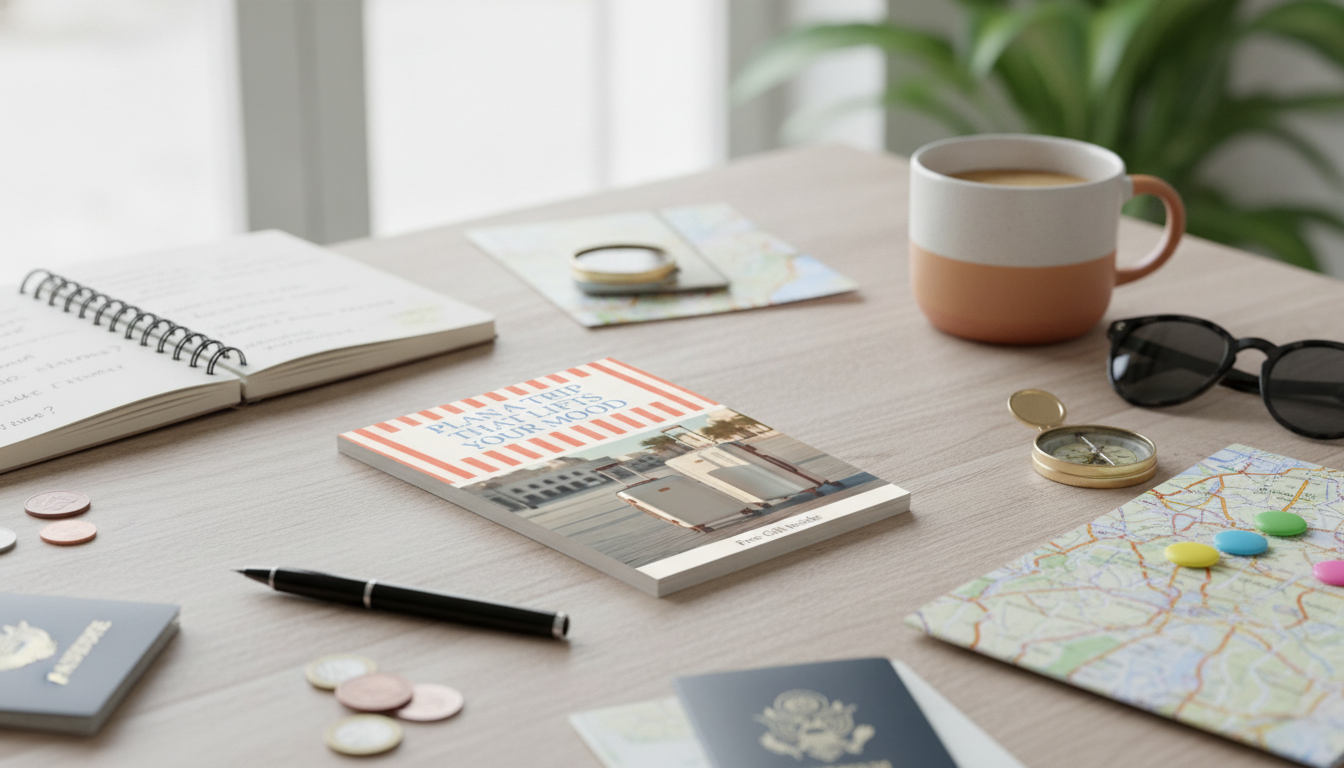
Plan a Trip That Lifts Your Mood: A Simple, Feel-Better Travel Plan
A well-planned trip can do more than change scenery—it can change how a day feels. The most mood-lifting travel plans tend to balance gentle novelty, manageable logistics, restorative rest, and small moments that create a sense of progress. Below is a practical way to plan a trip designed to ease stress, support energy, and bring back a lighter mindset—without turning planning into another burden.
Start with a “mood goal” instead of a destination
When you choose a destination first, it’s easy to accidentally pick a trip style that fights your current needs (too many transfers, too much noise, or too much pressure to “make it worth it”). Start by picking one primary feeling to prioritize: calm, joy, connection, confidence, or renewal.
- Choose 2–3 “proof points” that signal the mood is working (sleeping better, fewer doom-scroll moments, more movement, laughter, or quiet).
- Decide what to minimize: long transfers, decision fatigue, late nights, crowds, or constant socializing.
- Set a simple trip rule: “one anchor activity per day” or “no more than two major moves per trip.”
Mood goals and trip styles that tend to support them
| Mood goal | Trip style | Good-fit examples | What to watch for |
|---|---|---|---|
| Calm | Slow travel with routine | Walkable neighborhood stay, spa/sauna, beach mornings | Overpacking the schedule |
| Joy | Play and novelty | Food crawl, small festivals, scenic train ride | Too many reservations and time pressure |
| Connection | People-forward itinerary | Visit friends, group class, guided day tour | No downtime for recharging |
| Confidence | Skill-building or challenge-lite | Beginner hike, workshop, solo weekend in a safe hub | High-risk activities when already depleted |
| Renewal | Restorative reset | Nature lodge, hot springs, digital-light trip | Long travel days that erase recovery |
Choose timing that supports energy, not just availability
When mood is low, the “cheapest” option can quietly become the most expensive in energy. If possible, prioritize smoother timing over squeezing in more.
- Aim for the shortest travel day possible; fewer connections often beats cheaper fares.
- Pick dates that reduce friction: midweek flights, shoulder season, and avoiding the first day back being a work crunch.
- If sleep has been off, plan one “buffer day” on arrival: early night, gentle walk, simple meal.
- If the blues are tied to winter or low daylight, prioritize destinations with more sunlight and daytime outdoor options (the NHS overview of SAD is a helpful reference point).
Design the itinerary around three daily anchors
A mood-friendly itinerary doesn’t have to be packed; it needs to be predictable enough to feel safe, with enough novelty to feel alive. Try building each day around three anchors, then keep the rest optional.
- Anchor 1 (Body): a light movement habit—morning walk, swim, easy hike, or yoga class.
- Anchor 2 (Mind): a focusing activity—museum with a short list, journaling at a café, a guided tour (decisions made for you).
- Anchor 3 (Heart): something that reliably feels good—favorite cuisine, live music, a scenic viewpoint, or time with someone supportive.
- Keep the rest optional: one “open block” per day for spontaneous rest or exploration.
- Use a “two-hour rule”: after any high-stimulation block (crowds, tours, transit), plan two hours of quiet or low-demand time.
Reduce decision fatigue with a short-list system
Decision fatigue is real—especially when stress is already high. The goal is to do just enough planning to feel held by the schedule, not trapped by it.
- Limit choices to a top 5 for food, top 5 for activities, and top 3 for day trips—then stop researching.
- Pre-decide two “default meals” near the hotel for low-energy moments.
- Map only the essentials: lodging, two cafés, one pharmacy/grocery, and one green space.
- Create a tiny “rescue plan” for rough moods: 20-minute walk route + comforting meal + early shower + offline hour.
If stress has been building for a while, it can help to understand how it shows up physically (the APA’s overview on stress effects on the body is a solid starting point). The more your plan reduces strain, the more your body can actually use the trip to recover.
Build in recovery like it’s part of the fun
For practical health basics—meds, vaccines, and destination-specific considerations—use an authoritative checklist like the CDC Travelers’ Health guidance.
Pack for emotional comfort and practical ease
If you want one “go-to” layer that makes outfits feel effortless, a standout piece can help you feel more put-together with fewer items. Consider a travel-ready statement option like the Dolce & Gabbana Multicolor Viscose Jacket for a simple capsule approach: one memorable top layer, neutral basics, and comfortable shoes.
Use the trip to create momentum after returning home
A guided planning option for low-effort, high-comfort structure
If that sounds like what you need, Plan a Trip That Lifts Your Mood: How to Plan Your Next Trip to Beat the Blues – eBook is a practical option to keep planning gentle and structured.
FAQ
How long does a mood-lifting trip need to be?
A weekend can help if you reduce travel friction and build in rest, light novelty, and simple daily anchors. For a deeper reset, 4–7 days often allows your nervous system to settle—especially when you avoid nonstop movement between places.
What if planning feels overwhelming when feeling low?
Use a minimal plan: pick one base, choose one anchor activity per day, and make top-5 shortlists for food and activities—then stop researching. If symptoms are severe or persistent, consider reaching out to a qualified health professional for support.
How can a trip help without turning into nonstop sightseeing?
Recovery time is what makes the benefits stick: pair stimulating activities with quiet blocks, add gentle movement and daylight, and keep one open block daily. Reducing decision fatigue (defaults, shortlists, and a simple rescue plan) helps the trip feel soothing rather than demanding.














Leave a comment