Baby Food Allergy Signs: SOS Checklist for Safer Feeding

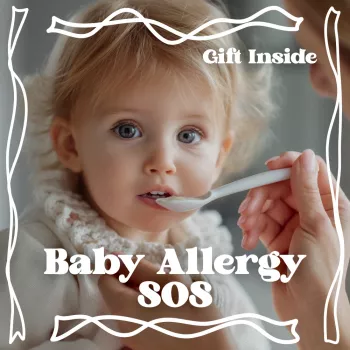
Baby Allergy SOS: Printable Checklist for Food Allergy Signs and Safer Infant Feeding
Food reactions can look different in newborns and infants than in older kids, and uncertainty can make feeding feel stressful. A simple, fridge-ready checklist helps caregivers spot early warning signs, respond calmly, and share consistent information with pediatricians and childcare providers. Below are common allergy symptoms to watch for, when to treat a reaction as an emergency, and practical habits for introducing foods more safely during the first year.
Why allergy readiness matters during the first year
Babies can react to a surprisingly small taste of a new food, and symptoms can change quickly. The challenge is that skin, stomach, and breathing symptoms may overlap with everyday infant issues (drool rash, reflux, or mild colds), which can blur what’s “normal” and what’s a red flag.
A written plan helps when you’re tired, juggling a feeding schedule, or handing baby off to another caregiver. Having quick steps in one place is especially helpful for families who split care between parents, grandparents, babysitters, and daycare—so everyone responds the same way and documents the same details.
Common food allergy signs in babies
Skin signs
Look for hives (raised, itchy welts), swelling of the lips/face/eyelids, widespread redness, or a sudden flare of eczema soon after eating. Hives often appear in clusters and can move around the body.
Gastrointestinal signs
Repetitive vomiting after a specific food is a common concern. Significant diarrhea, or blood/mucus in stool, should be discussed with a clinician for guidance. Also note fussiness that seems tied to belly pain after a particular food.
Respiratory signs
Coughing, wheezing, noisy breathing, or sudden nasal congestion soon after eating can point to a reaction—especially if paired with skin or stomach symptoms.
Behavioral and “whole body” clues
Sudden lethargy, pale or clammy skin, or inconsolable crying paired with vomiting or rash can signal that baby isn’t just uncomfortable—something more urgent may be happening.
Timing clues
Many immediate (IgE-mediated) reactions occur within minutes to 2 hours of eating. Delayed patterns can happen as well and still deserve evaluation, particularly if you notice a consistent link between a food and symptoms.
When to treat it as an emergency
Quick response guide for suspected food reactions
| What is noticed | What to do now | Get urgent help if… |
|---|---|---|
| A few hives or mild rash only | Stop the new food; take photos; note timing and amount; contact pediatrician for guidance | Rash spreads fast, swelling appears, vomiting starts, or baby seems unusually sleepy |
| Lip/face swelling | Stop feeding; keep baby upright; monitor breathing; follow any prescribed action plan | Any breathing changes, drooling with trouble swallowing, or multiple symptoms occur |
| Repeated vomiting after eating | Stop feeding; keep baby on side/upright; track frequency and timing; seek medical advice | Vomiting is severe, baby is limp/pale, or there are hives/wheezing |
| Coughing, wheezing, noisy breathing | Treat as urgent; follow prescribed action plan if available | Breathing is difficult, lips look blue, or baby is struggling to cry/make sounds |
| Hives plus vomiting or breathing symptoms | Treat as emergency; follow action plan; call emergency services | Always—multi-system symptoms can be anaphylaxis |
Safer new-food introduction habits
Skip first tastes right before naps/bedtime, during travel days, or when baby is sick. A simple log can reduce guesswork later: date, food, form (baked/boiled/raw), amount, and any symptoms with timing. If baby has moderate-to-severe eczema or there’s a family history of allergies, talk with the pediatrician about introducing common allergens such as peanut and egg. Many families also find it helpful to review prevention guidance like the NIAID addendum guidelines for peanut allergy prevention (NIAID guidelines).
Common triggers and cross-contact in everyday feeding
Read labels every time—ingredients and manufacturing practices change. For bottle-fed babies, formula changes should be discussed with a pediatrician if allergy is suspected, including possible cow’s milk protein allergy considerations. For background on allergy symptoms and anaphylaxis, see resources from the American Academy of Pediatrics and AAAAI.
What to document before calling the pediatrician
How a printable checklist helps in real life
Printable resource: Baby Allergy SOS checklist
If you want a ready-to-print reference, Baby Allergy SOS – Printable Checklist for Parents | Food Allergy Signs in Babies | Newborn & Infant Feeding Safety Guide is designed for quick use during feeding and symptom monitoring. It’s helpful for tracking suspected triggers, timing, and escalation signs that warrant urgent care, and it’s easy to share with babysitters and childcare providers.
To support cleaner feeding setups during new-food weeks, some caregivers also like to use a dedicated, wipeable surface at the table to reduce residue and cross-contact between foods. A decorative option that can double as a defined “feeding zone” is Luxury Iridescent Shell Placemats – Handmade Nordic Round Decorative Tray.
FAQ
Can a baby have an allergic reaction on the first exposure to a food?
Yes. A reaction can happen on an early exposure if a baby was sensitized previously through skin contact (especially with eczema) or trace exposures; monitor closely during new introductions and discuss risk factors with your pediatrician.
How quickly do food allergy symptoms appear in infants?
Many immediate-type reactions start within minutes to 2 hours after eating, but delayed symptoms can occur. Tracking the timing and pattern helps your pediatrician decide what evaluation is needed.
What should be done if there is a mild rash after a new food?
Stop the food, take a clear photo, and write down the timing and amount eaten while watching for any worsening. Contact your pediatrician for guidance on whether and when to reintroduce or whether further evaluation is recommended.















Leave a comment