Best Pets for Busy People: Safe Alone-Time Options
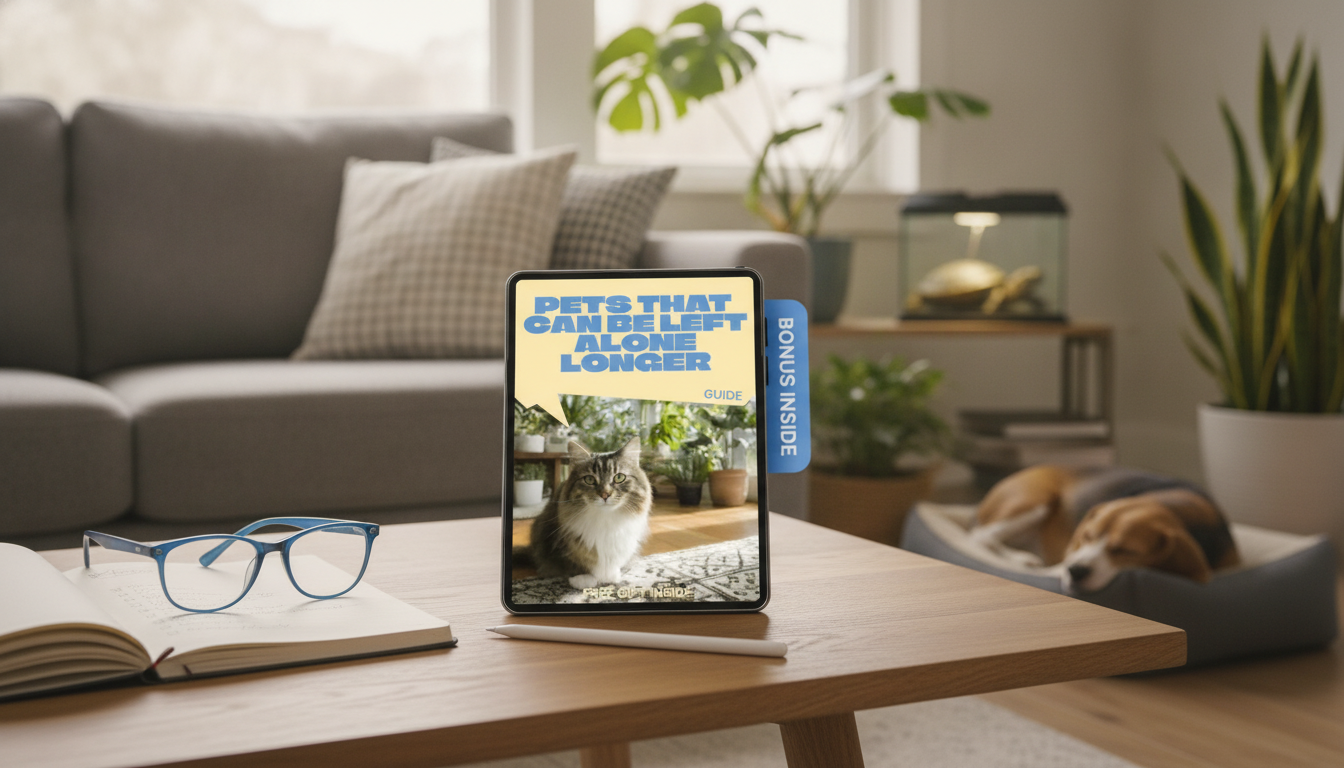
Pets That Can Handle More Alone Time: A Practical Guide for Busy Schedules
Some pets cope better with predictable stretches of alone time than others—but “low-maintenance” never means “no care.” The goal is matching a pet’s natural rhythms and care requirements to a real weekly routine, then building a home setup that keeps them safe, comfortable, and mentally engaged while you’re away.
Start With the Right Expectations
Alone-time tolerance isn’t just about temperament. It changes with species, age, health, and environment (including noise levels, temperature stability, and how secure the space feels). A healthy adult animal with a well-designed habitat can often handle more time solo than a young, senior, or medically complex pet—even within the same species.
Longer alone time still requires the basics to be rock solid: reliable food and water access, safe temperatures, appropriate enrichment, and a clean habitat. If you’re routinely gone all day, your setup needs to prevent the “one small issue becomes a big emergency” scenario.
Emergency planning matters, too. Have a local contact who can check in, share spare keys, and leave a written care card with feeding details, vet info, and where supplies are stored. This is especially important for animals dependent on equipment (filters, heaters, thermostats) or species sensitive to heat/cold swings.
Finally, avoid “set-and-forget” pet choices for children, seniors, or anyone unable to keep a consistent routine. Even pets that tolerate alone time still need daily observation—small changes in behavior can be the first sign of illness.
At-a-Glance Comparison: Typical Alone-Time Tolerance
Use the ranges below as planning guides, not guarantees. Individual needs vary widely, and transitions should be gradual. If you extend alone time, monitor stress signals such as appetite changes, repetitive behaviors, hiding, overgrooming, or new aggression.
| Pet type | Often tolerates | Needs daily interaction? | Key setup requirements | Common deal-breakers |
|---|---|---|---|---|
| Adult cat | 8–12 hours | Yes | Litter, water, food plan, scratching and vertical spaces | Separation anxiety, medical needs, single-litter-box issues |
| Pair of rats | 6–10 hours | Yes | Large cage, chew enrichment, social companionship | Solo housing, boredom, poor ventilation |
| Guinea pigs (pair) | 6–10 hours | Yes | Unlimited hay, clean water, stable temps, hideouts | Heat stress, dirty bedding, poor diet |
| Aquarium fish | 12–24 hours (routine feeding) | No (but requires regular maintenance) | Stable filtration/heating, timed lights, safe feeding plan | Overfeeding, unstable water chemistry, power outages |
| Reptiles (species-dependent) | 8–24 hours | Minimal daily handling | Correct heat/UVB, secure enclosure, humidity control | Wrong temps/UVB, dehydration, escape risk |
| Small birds (some species) | 4–8 hours | Yes | Safe cage, foraging toys, quiet location | Social isolation, noise sensitivity, unsafe household fumes |
| Dog | 4–8 hours (varies) | Yes | Potty plan, exercise, enrichment, safe confinement | Puppies, seniors, high-energy breeds, separation distress |
Best Fits for Longer Workdays (and Why)
Adult cats
Many adult cats manage a full workday well when litter access, enrichment, and predictable routines are solid. Provide a scratching surface, window perches or vertical shelves, and a feeding plan that avoids sudden hunger spikes. Two cats can be a great option, but only if personalities match; forced cohabitation can increase stress when no one is home to supervise.
Fish and planted aquariums
Fish don’t need daily “interaction,” but they do need consistency. A properly sized tank with stable filtration and heating can handle normal workdays well. Auto-feeders can help, but they should be tested for days before relying on them; overfeeding is one of the fastest ways to create water-quality problems. Plan on weekly maintenance and have a strategy for power outages.
Reptiles
Many reptiles are comfortable with minimal handling and can tolerate longer stretches alone, but only when their environment is precisely correct. Heating, thermostats, humidity control, and (when required) UVB lighting are non-negotiable basics—not optional upgrades. Secure latches matter, too; an escape can be dangerous quickly.
Small mammals housed socially (rats, guinea pigs)
Rats and guinea pigs often do better in pairs or compatible groups, which helps during the workday. They still need daily checks: water bottle function, hay supply (for guinea pigs), ventilation, and quick spot-cleaning. Without enough space and enrichment, boredom behaviors can appear fast.
Pets that usually struggle with long stretches alone
Home Setup That Makes Alone Time Safer
For general care standards and species-specific reminders, consult reliable references such as the American Veterinary Medical Association (AVMA) pet care resources and the ASPCA general pet care guides.
Signs a Pet Is Not Coping Well
A Simple Decision Checklist for Busy Owners
Downloadable Guide and Checklist for Confident Planning
- Pets That Can Be Left Alone Longer – Ultimate Guide for Pet Owners (eBook + Checklist)
- AI-Powered Pet Care Comparisons | Smart Checklist for Smarter Choices
FAQ
What pet can be left alone the longest during a normal workday?
Many adult cats can handle a full workday with reliable litter, food/water, and enrichment. Properly set-up aquariums and some reptiles may tolerate even longer stretches day-to-day, but they still require correct environmental equipment and regular maintenance.
Is it okay to leave a dog alone for 10–12 hours?
For many dogs, 10–12 hours is too long without a potty break and can increase stress or anxiety, especially for puppies, seniors, and high-energy dogs. A midday walker, doggy daycare, or a schedule adjustment is often needed to keep long days humane and manageable.
How can stress be reduced for pets that stay home alone?
Use predictable routines, rotate enrichment (foraging, puzzles, chew items), and create a safe confinement area that prevents hazards. For social species, appropriate companionship can help, and for ongoing anxiety signs, a veterinarian can guide training and treatment options.
















Leave a comment