Rick Owens Bomber Jacket Guide: Fit, Fabrics, Care
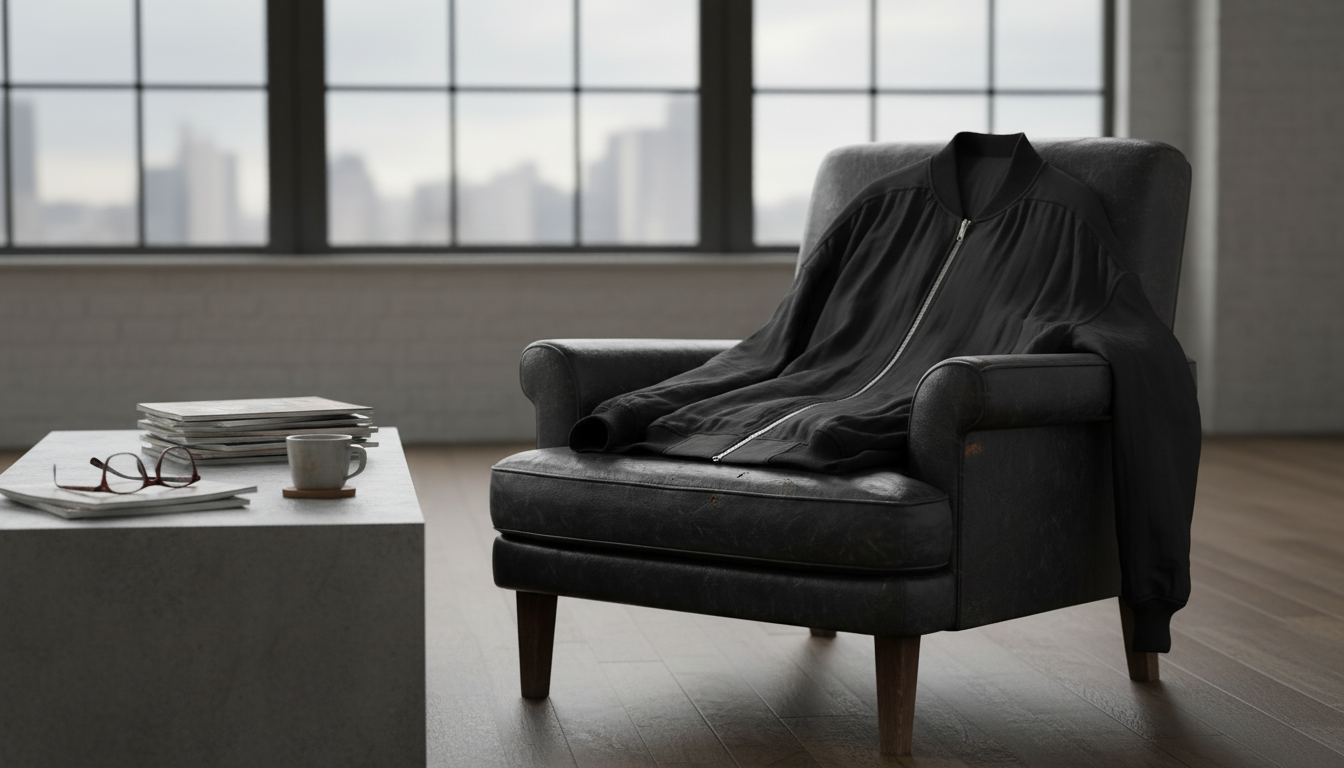
Rick Owens Bomber Jacket: A Sharper Take on a Flight Classic
A Rick Owens bomber jacket takes the familiar flight-jacket framework and rebuilds it with longer lines, firmer geometry, and a distinctly nocturnal attitude. The result is outerwear that reads sculptural instead of sporty—designed to look deliberate with stacked layers, heavy footwear, and pared-back color palettes. Below is a practical guide to what defines the look, how materials change warmth and drape, how to dial in proportions, and how to keep the jacket looking crisp through repeat wear.
What Sets the Look Apart
Traditional bombers are defined by compact length, a rounded body, and casual ease. In Rick Owens’ world, that template often becomes more architectural: the shoulders feel stronger, the body can run longer, and the overall line is meant to be noticed even from a distance.
- A bomber profile interpreted with elongated lines, sharper proportions, and a darker, more sculptural aesthetic.
- Common design cues to notice: pronounced ribbing, a strong shoulder-to-hem shape, and hardware that reads more industrial than sporty.
- Often built to look intentional when worn slightly oversized or layered, rather than snug like a traditional MA-1.
- Functions as a daily jacket—pockets, cuffs, and a zipper designed for repeat wear—while still acting like a statement piece.
For brand context and official references, you can compare silhouettes and collections via the Rick Owens Official Site and the CFDA — Designer Directory (Rick Owens).
Materials, Warmth, and Seasonality
Material choice is the biggest factor in how a bomber “sits” on the body. A crisp technical shell can look clean and slightly armored, while leather tends to hold a bold shape with more visual weight. Warmth also varies: two jackets can share the same silhouette but behave very differently depending on lining, fill, and ribbing.
- Common offerings include nylon, cotton blends, leather, and (when available) wool blends; each changes drape and structure.
- Nylon/technical shells are lighter, more wind-resistant, and easy to layer—ideal for transitional weather.
- Leather brings heavier impact and stronger structure; it’s often warmer but less packable and needs careful storage.
- Insulation levels vary by run; check lining and any fill listed on the label to gauge winter vs. fall/spring wear.
- Strong ribbing at the hem/cuffs traps more heat; a looser hem ventilates more but feels less sealed.
Quick Comparison: Common Bomber Materials and What They Feel Like
| Material type | Drape and silhouette | Weather use | Care considerations |
|---|---|---|---|
| Nylon / technical shell | Crisper, slightly glossy; holds shape | Windy days, mild cold with layers | Avoid high heat; follow label for cleaning |
| Cotton blend | Softer, less shine; casual structure | Mild temps, everyday wear | May wrinkle; spot clean when possible |
| Leather | Strong structure; dramatic profile | Cool to cold weather | Conditioning and careful storage recommended |
| Wool blend (when offered) | Heavier, more insulating | Cold weather | Often dry clean only; protect from moths |
Fit and Sizing: Getting the Proportions Right
With designer bombers, “correct” fit is less about a single rule and more about the intended silhouette. Some are meant to be close at the ribbing with room in the chest; others are cut to look powerful when they hang slightly away from the body. Start with measurements, then choose the attitude you want the jacket to project.
- Measure a jacket that already fits well (chest width, shoulder width, sleeve length, body length) and compare to the product size chart when available.
- Decide the intended look first: a closer fit highlights ribbing and hardware; a relaxed fit supports layering and a more runway-like shape.
- Arm mobility matters: if shoulders are too narrow, the jacket will pull across the upper back when zipped; too wide can cause slumping.
- Check where hem ribbing lands: higher hems emphasize legs and boots; longer hems read more coat-like and can balance bulky footwear.
- If layering over knits or hoodies is a priority, prioritize chest and armhole space over a perfectly trimmed waist.
Styling Ideas That Match the Mood
The easiest way to style this type of bomber is to let shape and texture do the talking. Keep color simple, vary surfaces, and use footwear to steer the outfit toward utilitarian, minimal, or aggressively sculptural.
Care, Storage, and Longevity
For general guidance on what manufacturers must disclose on care instructions, see the FTC — Care Labeling Rule.
Authenticity and Buying Checks
Featured Options Available Now
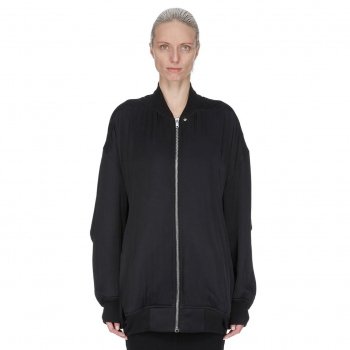
- Rick Owens Bomber Jacket — in stock at $1412.03 USD. Best for shoppers who want the bomber silhouette with strong designer identity and daily-wear functionality.
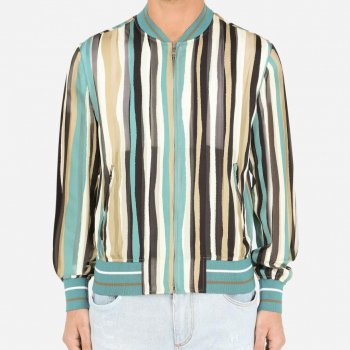
- Dolce & Gabbana Multicolor Viscose Jacket — in stock at $2251.00 USD. A bolder alternative when color and pattern are the point, while still offering a designer outerwear finish.
FAQ
How should a bomber jacket fit in the shoulders and sleeves?
Ideally, the shoulder seam aligns with your shoulder point or sits slightly dropped if the design is meant to look relaxed. Sleeves should allow full arm movement when zipped, and you’ll want enough chest and armhole room if you plan to layer knits or hoodies underneath.
Can a bomber jacket be worn in winter?
Yes, depending on the lining, any insulation, and how wind-resistant the shell is. For true cold, pair it with heavier knitwear and consider a scarf; checking the label for lining and fill details is the most reliable way to estimate warmth.
What’s the safest way to clean a designer bomber jacket?
Follow the care label, spot-clean when possible, and avoid high heat that can shrink ribbing or damage coatings. For delicate fabrics or leather, professional cleaning is usually safest, and proper hanging/storage helps preserve the jacket’s shape between wears.












Leave a comment