Versace Medusa Hooded Jacket: Fit, Materials & Style
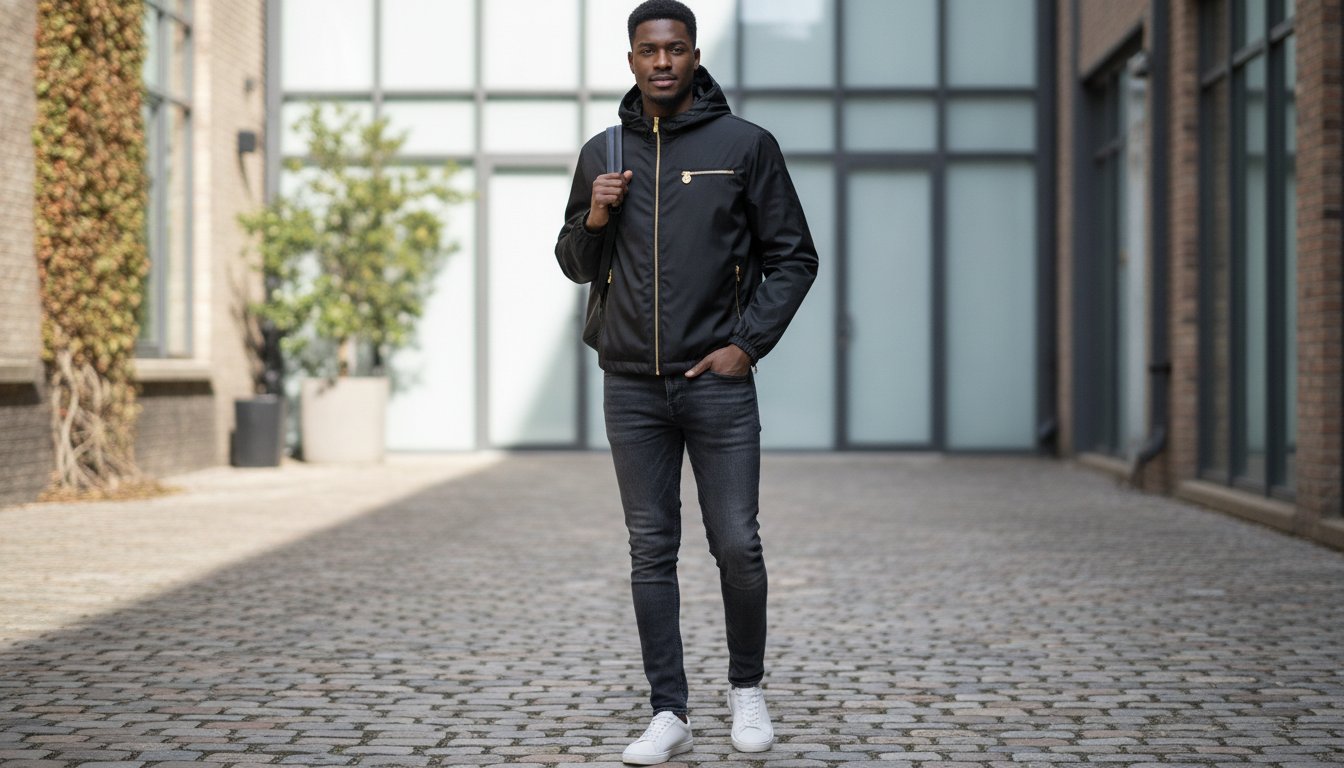
Versace Hooded Jacket with Medusa Logo: Design Notes, Fit Guide, and Styling Ideas
A hooded jacket with the Medusa emblem sits at the intersection of streetwear ease and Italian fashion codes. The right one feels effortless to throw on, but still looks intentional up close—through the hood shape, the hardware, and the finish of the logo itself. Below is a practical guide to materials and construction, how to land the silhouette, styling options that don’t fight the branding, and care habits that help keep logo details crisp over time.
What Makes the Medusa Hooded Jacket Stand Out
The Medusa motif can read sleek or loud depending on how it’s executed. Logo placement and scale are the first tell: a subtle emblem on hardware or a small chest mark tends to be easier to rotate with different outfits, while bold chest or back branding becomes the centerpiece and asks the rest of the look to stay cleaner.
Hood structure is another defining detail. A more sculpted hood holds its shape and frames the face, giving a sharper profile when worn up. A softer hood drapes and feels more casual, especially when worn down over a tee or hoodie.
Finishing is where the luxury signal shows. Look for even stitching, clean seam work, smooth zipper tracking (no waviness or catching), and consistent logo application. When the jacket is zipped all the way, the collar and hood should sit flat rather than buckling or pushing forward.
Finally, consider the jacket’s “weight.” Lighter builds are ideal as a layer under a coat or for travel; heavier builds can stand in as a midweight outer layer during transitional weather.
Materials and Construction Checklist
Most designer hooded jackets land in a few common build types. Technical synthetics are popular for wind resistance and easy wipe-downs, cotton blends offer a softer hand feel for everyday wear, and mixed weaves can add structure that keeps the silhouette crisp.
Lining also changes how the jacket wears. A full lining helps the piece glide over knits and sweatshirts and often looks cleaner inside. Partial lining improves breathability. Unlined versions feel lighter and more packable, but may show seam finishing more clearly.
Quick guide to choosing the right build
| Feature | Best for | What to look for |
|---|---|---|
| Technical shell | Commutes and travel | Lightweight feel, wind resistance, easy-clean surface |
| Cotton-blend outer | Everyday wear | Soft hand feel, structured hood, durable stitching |
| Full lining | Cooler days | Comfort against layers, clean interior seams |
| Ribbed cuffs/hem | Warmth and shape | Even ribbing, no twisting, good recovery |
| Secure pockets | City use | Smooth zipper pulls, reinforced openings |
When checking details, prioritize closures and hardware. Zippers should run smoothly with consistent tension; snap buttons should align cleanly without pulling the fabric. Cuffs and hems matter too: ribbing seals warmth and keeps shape, while adjustable tabs can look more streamlined. Pocket design is a styling lever—zip pockets read sportier and more secure, slanted welt pockets can look more refined, and interior pockets help keep bulk out of the silhouette.
Fit and Sizing: Getting the Silhouette Right
Start with shoulder fit. If you want a sharper, more elevated look, aim for shoulder seams that land close to the shoulder edge. Drop-shoulder cuts lean relaxed and street-oriented, pairing naturally with looser pants and chunkier sneakers.
Next, evaluate the hood and collar. The hood should sit comfortably without tugging the neckline when the jacket is zipped. Collar height should protect without pushing into the chin—especially important if you plan to wear the jacket fully zipped in cooler weather.
Body length changes the outfit math. Shorter lengths emphasize the waist and work well with high-rise trousers or tailored joggers. Longer lengths pair easily with slim denim and layered looks, and can feel more protective in wind.
Outfit Ideas: From Weekend to Night Out
Care and Storage: Keeping the Logo and Finish Looking New
Start with the garment care label, since shell materials and logo applications can require specific handling to prevent peeling, cracking, or dulling. The Federal Trade Commission’s overview of care labeling is a helpful reference for what symbols and instructions are meant to communicate: Federal Trade Commission — Care Labeling Rule.
Spot-clean early when possible; small marks are easier to lift before they set. Use a gentle cleaner appropriate to the fabric type, and test in an inconspicuous area if the material has a coating or sheen. If the piece includes cotton, a few general best practices can help reduce wear over time: Better Cotton — Cotton Care Tips.
Compare Options Available Now
| Item | Price | Best suited for |
|---|---|---|
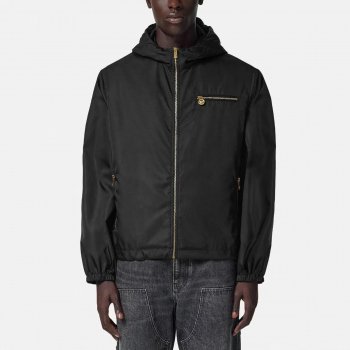
| Versace Hooded Jacket with Medusa Logo | $1414.24 | Signature branding, elevated streetwear layering |
| Dolce & Gabbana Multicolor Viscose Jacket | $2251.00 | Color-forward looks, statement outerwear styling |
To ground your expectations on brand styling and current design language, you can also browse the label’s official channel: Versace — Official Website.
Buying Notes: Authenticity, Returns, and Wear Frequency
FAQ
How should a hooded designer jacket fit?
Start with the shoulders, then zip it up and make sure the chest feels comfortable without pulling. The hood should sit naturally without tugging the neckline, and you should still have room for the layers you’ll actually wear underneath.
How can the Medusa logo be kept from cracking or fading?
Follow the care label, avoid high heat, and use spot-cleaning when possible to reduce abrasion on the logo area. If washing is permitted, turning the garment inside out can help protect the surface details.
Can a Medusa-logo hooded jacket work for smart-casual outfits?
Yes—pair it with clean, tailored trousers and a fine knit or crisp tee, keeping colors neutral so the branding reads intentional. Limit accessories to one understated piece to avoid competing focal points.










Leave a comment