DIY Wooden Bloom Box 3D Puzzle Kit: Build & Display
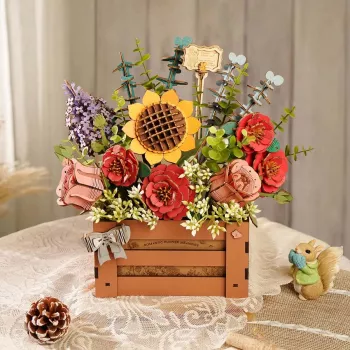
DIY Wooden Bloom Box 3D Puzzle Kit: Build a Flower Box Keepsake
A wooden bloom box puzzle kit combines the satisfaction of model building with a display-worthy result. With layered floral details and a dimensional “box” silhouette, the finished piece looks like a small keepsake you’d expect to find in a boutique—except you built it yourself. Below is what the kit is, what assembly typically feels like, who it fits best, and how to get a crisp, clean finish for shelf or desk display.
What the DIY Wooden Bloom Box 3D Puzzle Kit Is
A DIY wooden bloom box 3D puzzle is a pre-cut wooden model kit designed to assemble into a bloom-box style display piece with a floral theme and dimensional structure. Most versions rely on tab-and-notch connections that slot together neatly for a glue-optional build—though a touch of glue can be helpful for reinforcement in high-stress joints.
Once completed, it functions as both a giftable craft project and a decorative accent. It’s the kind of build you can place on a nightstand, bookshelf, or office shelf as a warm, natural-material statement piece.
Who It’s Great For
- Craft and puzzle lovers who enjoy hands-on builds and a tangible finished object.
- Teens and adults who want a focused, screen-free project (adult supervision recommended for younger builders due to small parts).
- Gift-giving moments like birthdays, Mother’s Day, anniversaries, graduations, or a thoughtful “build it together” present.
- Home decor fans who like warm wood tones, miniature displays, and soft floral aesthetics.
If you like projects that reward patience and precision, you’ll likely find the pace relaxing. For a bit of motivation, research has also linked puzzle-style activities with cognitive benefits like focus and problem-solving practice (see Smithsonian Magazine).
What’s Included and What to Have Ready
Most kits come with pre-cut wooden sheets (often numbered or referenced by diagram) and illustrated instructions showing build order and part orientation. Any accessories or extras can vary by listing, so it’s best to verify the exact contents on the product page before starting.
To keep the build smooth, have a few small tools nearby—especially for tight fits and tiny decorative layers.
Quick Checklist: Tools That Make Assembly Easier
| Item | Why it helps | Optional or recommended |
|---|---|---|
| Tweezers | Places small parts precisely without bending tabs | Recommended |
| Emery board or small file | Smooths tight edges so pieces fit cleanly | Recommended |
| Wood glue | Strengthens joints and prevents loosening over time | Optional |
| Craft knife | Removes tiny burrs from die-cut edges carefully | Optional |
| Clamps or rubber bands | Holds sections together while glue sets | Optional |
| Soft brush/cloth | Keeps dust off finished details | Optional |
Assembly Experience: Time, Difficulty, and Common Tricky Spots
Plan for a step-by-step build where accuracy matters more than speed. A calm, uninterrupted session (or two) is ideal, since many pieces depend on correct alignment to keep the bloom box square and clean.
- Dry-fit first: Test how parts seat before pressing firmly. Thin tabs can snap if forced.
- Watch the corners: Tight interlocking corners and layered panels are common “pause and check” areas.
- Keep walls aligned: If the box walls drift out of square early, later layers may fight you.
- Sand instead of forcing: If a piece resists, lightly file the edge rather than pushing harder.
Wood is strong for its weight, but small wooden joints can be sensitive to humidity and friction fits. For deeper context on how wood behaves as a material, the USDA’s Wood Handbook is a helpful reference.
Finishing Touches: Make It Look Like a Display Piece
Assembly is only half the magic—finishing is what makes it look intentional on a shelf.
- Natural wood look: Leave it raw for a warm, minimalist aesthetic, or add a very light stain for depth (test on a spare edge first).
- Seal lightly: If it will sit in a dusty area, a clear matte sealant can help. Avoid heavy coats that can swell joints and tighten slots.
- Paint with restraint: If you add accent colors, use thin layers so connectors don’t get gummy or too snug.
- Display smart: Keep it away from direct sunlight and high humidity to minimize warping over time.
Care and Long-Term Maintenance
- Dust gently: Use a soft brush or microfiber cloth. Avoid wet wiping, which can raise the grain.
- Fix loose joints: If a connection loosens, apply a tiny amount of wood glue with a toothpick and hold briefly until tacky.
- Store thoughtfully: Avoid bathrooms, kitchens, or windows with strong sun exposure to protect the wood’s shape and color.
Product Snapshot
| Detail | Value |
|---|---|
| Product | DIY Wooden Bloom Box 3D Puzzle Kit |
| Price | $61.51 USD |
| Stock status | In stock |
| Best for | Decorative building project and giftable craft |
Pair It With Other Useful Finds
- Portable Handheld Fabric Steamer — a practical add-on for someone who likes a polished home-and-wardrobe routine.
- Luxury Iridescent Shell Placemats – Handmade Nordic Round Decorative Tray — a decorative companion piece that complements a curated tabletop or shelf display.
FAQ
Is glue required to assemble the wooden bloom box puzzle?
Glue is usually not required because many wooden 3D puzzles are designed to slot together with tab-and-notch joints. A small amount of wood glue is optional and can reinforce stress points for better long-term durability.
How long does it take to finish a 3D wooden puzzle kit like this?
Most builders finish in about 2 to 6 hours depending on experience, pace, and how often they dry-fit pieces first. Taking extra time to lightly sand tight edges can add minutes but often improves the final look.
What should be done if a piece feels too tight to fit?
Check the piece orientation first, then dry-fit again with gentle pressure. If it’s still tight, lightly sand or file the edge instead of forcing it to reduce the risk of cracking tabs or splitting thin sections.











Leave a comment