39mm Diver GMT Watch: Enamel Dial & Ceramic Bezel

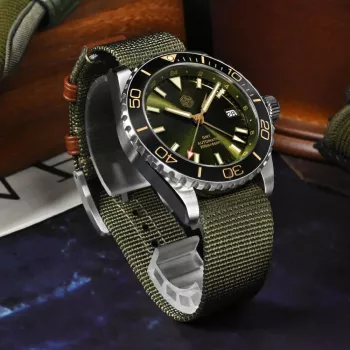
39mm Diver GMT Enamel Dial Automatic Mechanical Watch with Ceramic Bezel
A compact diver-style GMT can be the sweet spot for everyday wear: sporty enough to take a knock, refined enough to look intentional with business-casual, and genuinely useful when schedules cross time zones. The 39mm Diver GMT Enamel Dial Automatic Mechanical Watch with Ceramic Bezel brings that balance together with an enamel-style dial finish that catches light like glass, a crisp ceramic bezel insert built to stay looking sharp, and a self-winding mechanical movement that keeps running with regular wrist time. For more guidance, see [PDF] Board member denies favoritism – Canton Public Library.
What Makes This Watch Stand Out
- 39mm case size for a versatile, wearable profile that can dress up or down.
- GMT functionality for tracking a second time zone at a glance.
- Enamel dial look for a smooth, glass-like sheen and rich color presentation.
- Ceramic bezel designed to resist scratches and maintain a clean, crisp appearance.
- Automatic mechanical movement for battery-free daily wear.
For a watch that’s meant to be worn often, these choices matter: the size keeps it comfortable, the GMT feature adds real day-to-day utility, and the materials are selected to stay visually fresh with regular use. For further reading, see Full text of “73 Magazine (January 1978)” – Internet Archive.
Design Details: Enamel Dial and Ceramic Bezel
Enamel-style dials are prized for the way they play with light. Instead of a flat, painted look, the surface presents a glossy depth that can shift from bright to moody depending on your surroundings. That “liquid” sheen also helps applied markers and hands stand out, supporting quick reads when you’re on the move.
Up top, a ceramic bezel insert is a practical upgrade for a sporty watch. Ceramic is widely known for hardness and resistance to everyday scuffs, and it tends to hold its color well compared with many painted bezel inserts. That means the bezel can stay crisp-looking even as the watch becomes a regular part of your rotation.
The diver-style bezel layout isn’t only for underwater timing. It’s handy for real life: timing a parking meter, steeping tea, tracking a workout interval, or keeping an eye on a meeting buffer. For background on what “diver’s watch” standards typically cover, the ISO overview of ISO 6425: Diver’s watches offers useful context.
A 39mm case also lands in a comfort-focused zone. It generally sits more naturally on smaller wrists and is less likely to snag on cuffs or jacket sleeves—without sacrificing the presence and legibility most people want from a tool-inspired watch.
GMT Functionality for Travel and Daily Scheduling
GMT watches add a dedicated hand that typically completes one full rotation every 24 hours. That 24-hour cycle helps distinguish day from night in the second time zone—an underrated benefit when you’re coordinating with people who are several hours ahead or behind.
For practical setup, a common approach is to set the primary hands to your local time and use the GMT hand for a second reference (often home time, HQ time, or a key client region). With a quick glance, you can avoid accidental early-morning calls or missed windows when plans span regions. For a deeper explanation of GMT as a concept and why it matters in timekeeping, see Greenwich Mean Time (GMT) — Britannica.
Some wearers also pair the GMT hand with a bezel-based reference to expand tracking options, as long as they keep their method consistent. Even when you’re not traveling, it’s useful for remote work, family scheduling, or monitoring a market time zone without reaching for a phone.
Automatic Mechanical Movement: What to Expect
Automatic mechanical movements are powered by a mainspring, and they wind through a rotor that responds to natural wrist motion. The appeal is straightforward: no routine battery swaps, plus the tactile satisfaction of a traditional mechanism doing its job quietly on your wrist.
If the watch stops after sitting for a few days, it usually just needs wear time to build power again (and, depending on the specific movement design, careful manual winding may help jump-start it). Mechanical accuracy can vary, and consistent wear often supports more stable performance. Periodic servicing helps keep lubrication healthy and preserves long-term reliability. For a general overview of how mechanical watches work, see Mechanical watch — Encyclopaedia Britannica.
Specifications Snapshot
| Feature | Detail |
|---|---|
| Model | 39mm Diver GMT Enamel Dial Automatic Mechanical Watch with Ceramic Bezel |
| Case size | 39mm |
| Movement type | Automatic mechanical |
| Complications | GMT (second time zone) |
| Dial | Enamel-style dial finish |
| Bezel | Ceramic bezel insert (diver-style) |
| Availability | In stock |
| Price | 385.01 USD |
Fit, Comfort, and Everyday Wear
Care Tips for Enamel-Style Dials and Ceramic Bezels
Also In Stock
- 39mm Diver GMT Enamel Dial Automatic Mechanical Watch with Ceramic Bezel
- Portable Handheld Fabric Steamer
- DIY Wooden Bloom Box 3D Puzzle Kit
FAQ
How does a GMT watch work?
A GMT watch adds a dedicated 24-hour hand that tracks a second time zone. Because it runs on a 24-hour scale, it helps you tell whether the tracked zone is in daytime or nighttime, and many people set the main hands to local time while keeping the GMT hand on home time.
Is a ceramic bezel better for everyday wear?
Ceramic bezels are popular for daily wear because they resist scratches and tend to keep their color looking clean over time. The practical tradeoff is that ceramic can chip under severe impact, so it’s best to avoid hard knocks against stone or metal edges.
Do automatic mechanical watches need batteries?
No—automatic mechanical watches are powered by a mainspring that’s wound by wrist motion (and sometimes by manual winding). If they aren’t worn for several days, they can stop until they’re worn again and build up power.













Leave a comment